 Qiang Huang
What's Inside
Let me be blunt — most Tiger Hill maps you find online are useless. They show you a neat little park with a pagoda and a pond. But they don’t tell you that the south gate entrance will leave you roasting in a 20-minute sunbaked line, or that the “Sword Pool” is often so packed you can’t even see the water. I’ve been guiding travelers here for years, and I’ve seen the same frustration again and again.
So here’s the Tiger Hill Suzhou map you actually need. I’ll walk you through the exact route I use to dodge the crowds, save your phone battery (GPS struggles inside), and get you those killer photos without elbowing tourists. Plus, I’ll show you where to find the real sword legend — not the crowded spot, but a quiet corner most maps ignore.
This isn’t a fluff piece. Every detail here comes from dragging tired families, lost solo backpackers, and cranky couples through these gates. Let’s get it right.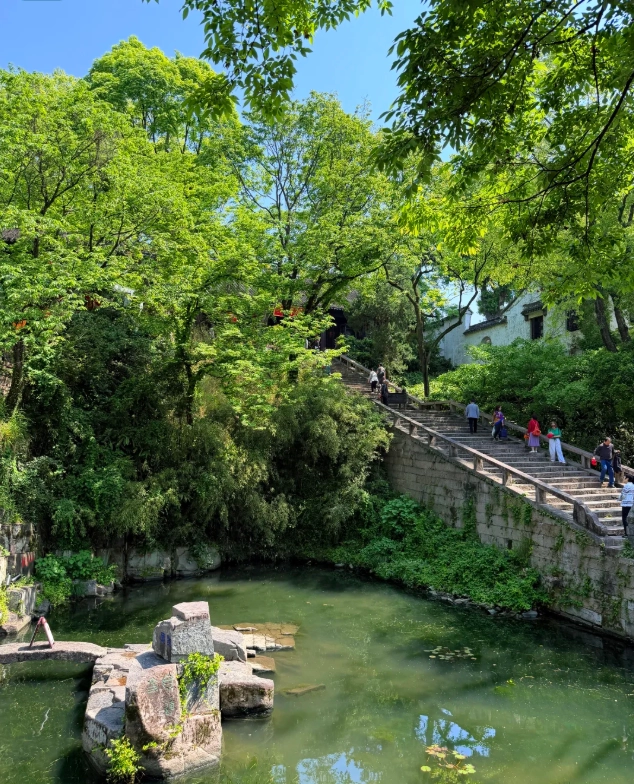
Why Tiger Hill Matters (and What Most Guides Get Wrong)
Tiger Hill is Suzhou’s most iconic historical site — a 36-meter hill crammed with pagodas, rockeries, and the legendary burial site of King Helü. But here’s the catch: the official map at the entrance is in Chinese only, and the English version on some apps is outdated. You’ll end up walking in circles unless you know the layout beforehand.
Most tourists stick to the main axis: the gate, the Jianchi (Sword Pool), the Yunyan Pagoda, then back. That’s a mistake. You miss the secluded bamboo grove on the west slope, the tiny “Test Sword Stone” that’s actually cooler than the pool, and the best angle of the leaning pagoda (hint: it’s not from the front).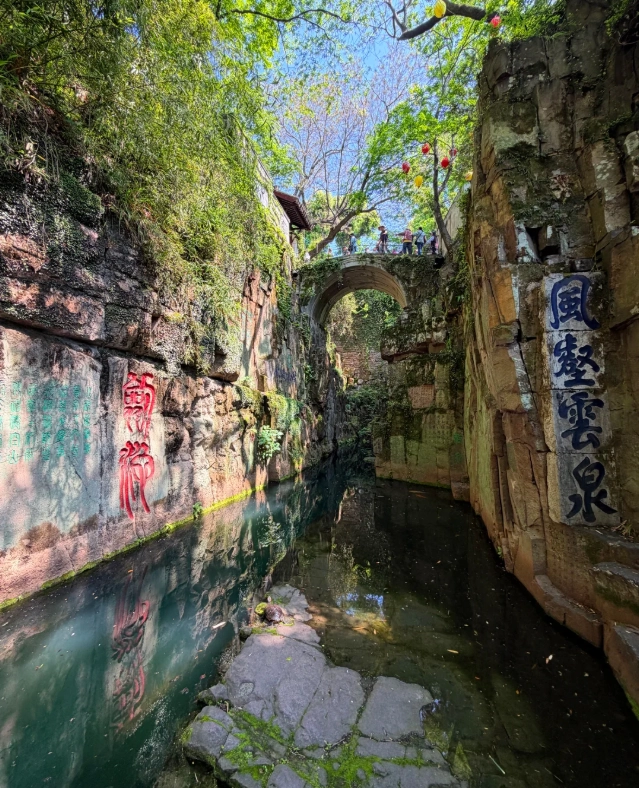
Tiger Hill Suzhou Map Breakdown: Key Spots & Pitfalls
Before we dive into the route, let me mark the must-see points on your mental map. I’ve ranked them by how crowded they get and how much time you actually need.
| Spot | Why Visit | Crowd Level | Photo Tip |
|---|---|---|---|
| Yunyan Pagoda | Leaning Buddhist pagoda built in 961 AD. The icon of Tiger Hill. | Extreme (avoid 10am-2pm) | Shoot from the eastern slope to make it look steeper. |
| Sword Pool (Jianchi) | Legend says King Helü’s swords were thrown here. Water is actually clear. | Very high (bottleneck) | Arrive at opening or 30 min before closing. |
| Test Sword Stone | A split rock said to have been cut by a legendary sword. Quiet spot. | Low | Go early morning for soft light through the bamboo. |
| Lu Yu Well | Named after the tea saint. Hidden behind a pavilion. Nice for a rest. | Moderate | Not worth more than 5 minutes. |
| Bamboo Grove West | Unofficial path behind the pagoda. Almost empty. | Low | Best for solo portraits. |
Watch Out for These Map Traps
First, the map at the ticket booth shows a straight path from south to north. It’s a lie — the actual walk is a loop with constant elevation changes. Second, the English labels on some digital maps (like Baidu Maps) are wrong. I once followed one that said “Sword Pool” was 200m west — it was actually east. Always cross-check with a photo of the Chinese map (I’ll show you how to save one).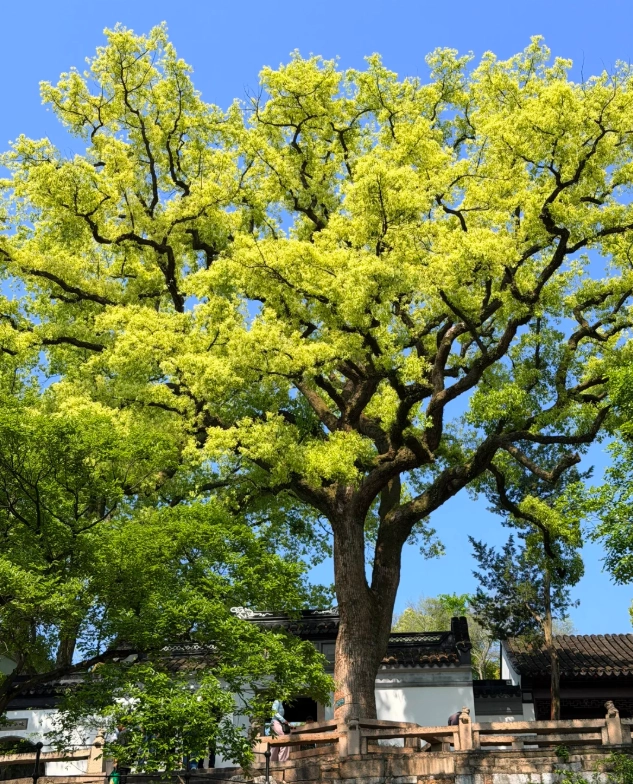
Ticket & Entry: Save Time, Avoid the Queue
Here’s the drill. Tiger Hill has a 70 RMB entrance fee (as of my last visit, check Trip.com for updates). But the real challenge isn’t the price — it’s buying the ticket without a Chinese ID. The official WeChat mini-program asks for a Chinese ID number. Foreigners can’t use it. You’ve got two options:
- Buy at the gate: Cash or Alipay/WeChat Pay. They accept international Visa/Mastercard only at the main ticket counter (south gate), but the machine often glitches. Bring cash (70 RMB) as backup.
- Pre-book on Trip.com or Klook: These platforms accept foreign credit cards directly. You’ll get a QR code to scan at the turnstile. No need to print. This is what I always recommend — saves 15-20 minutes in line.
Opening hours: 7:30am to 5:30pm (last entry 4:30pm). The pagoda closes 30 minutes earlier. I aim for a 3:30pm entry — the afternoon light is golden, and tour groups start leaving. Plus, the temperature drops.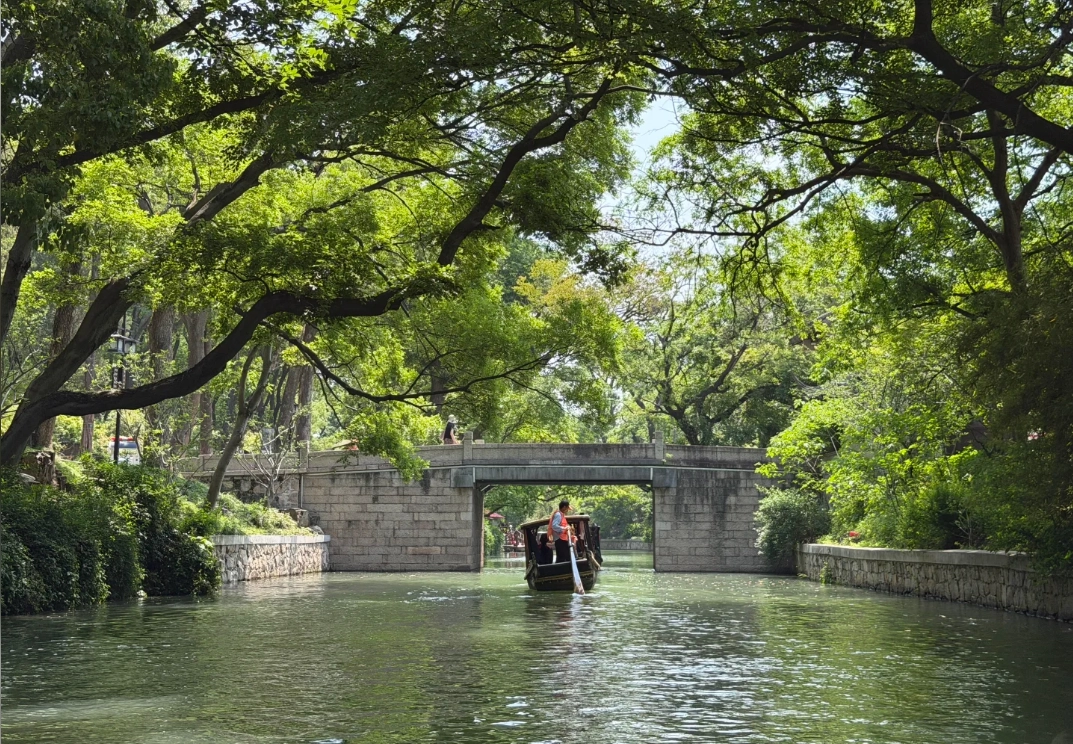
The 90-Minute Route: My Personal Loop (Crowd-Free)
Put this into your phone notes. I’ve timed it for energy efficiency (not too many stairs) and minimal backtracking. You’ll hit all the highlights without feeling rushed.
- Enter via North Gate (address: 8 Shanmen Lane, Huqiu District; 虎丘区山门巷8号). Show your pre-booked QR code. No line.
- Walk straight to the Bamboo Grove West — ignore the pagoda for now. It takes 5 minutes. Take photos here while it’s quiet.
- Climb the west slope to the Test Sword Stone (3 minutes). You’ll see a split boulder with a sign. Take a selfie without 50 people in the background.
- Descend toward the Yunyan Pagoda from the east side. This is the money shot — the pagoda appears suddenly between trees. I usually spend 10 minutes here shooting different angles.
- Circle behind the pagoda to the Lu Yu Well (2 minutes). Just a quick look.
- Go down to the Sword Pool — but don’t stop at the main viewing platform. Walk to the left side of the pool where there’s a smaller platform. Most tourists pile right in front. The left side gives you a clear view of the reflection.
- Exit through the south gate (or if you want to linger, climb back up to the pagoda for sunset). Total time: 90 minutes relaxed, 2 hours if you stop for tea.
Alternative for bad weather: If it’s raining, skip the bamboo grove (muddy). Instead, head straight to the pagoda’s ground floor — it’s covered, and you can see the interior. There’s a small museum on the second floor (free) about the pagoda’s tilt history.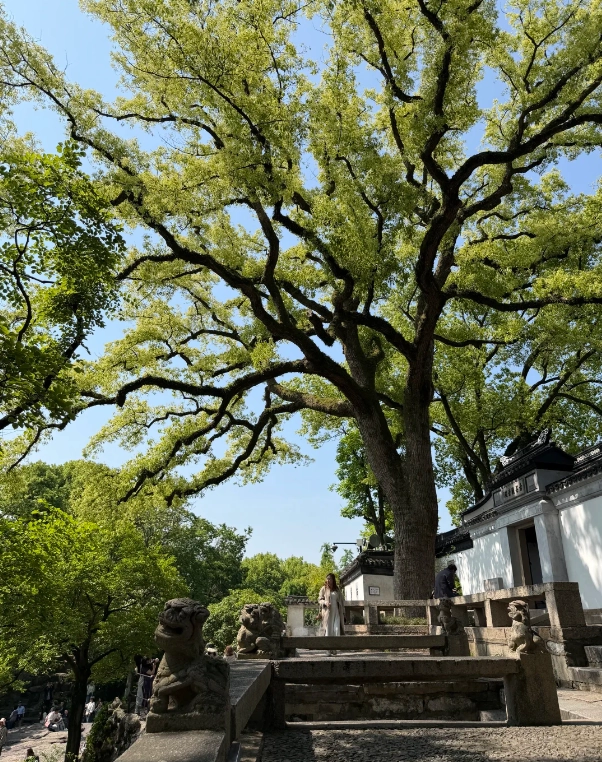
Getting There & Getting Around: Real GPS Advice
Google Maps is useless inside Tiger Hill — the paths aren’t mapped, and the signal drops under the trees. Use Apple Maps or Gaode Map (if you have it) with the Chinese name “虎丘” saved. For the address, show your driver: 苏州市虎丘区山门巷8号. It’s about 20 minutes from Suzhou city center by taxi (40-50 RMB). Bus 游1 also gets you there but takes 40 minutes and doesn’t have English announcements.
Once inside, follow the signposts (Chinese characters only for most). If you’re lost, show a staff member a photo of the pagoda — they’ll point. Don’t trust the QR code map at the entrance; it opens a Chinese-only webpage that takes ages to load.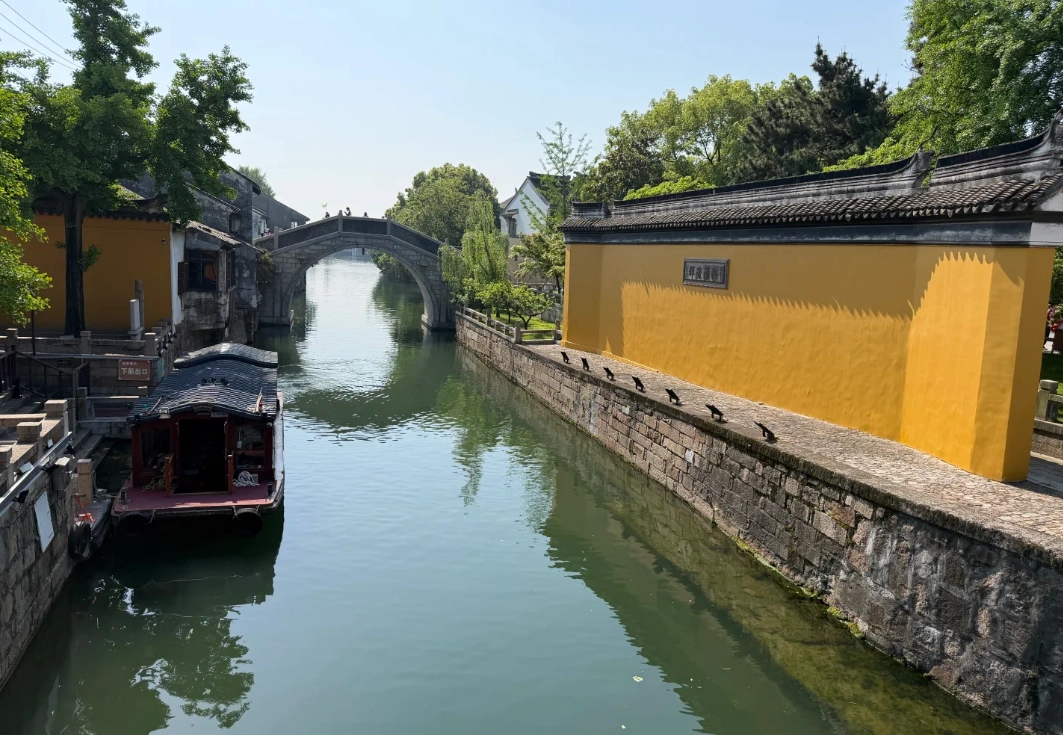
Quick Answers to the Trickiest Questions
Verified and fact-checked by the editorial team.
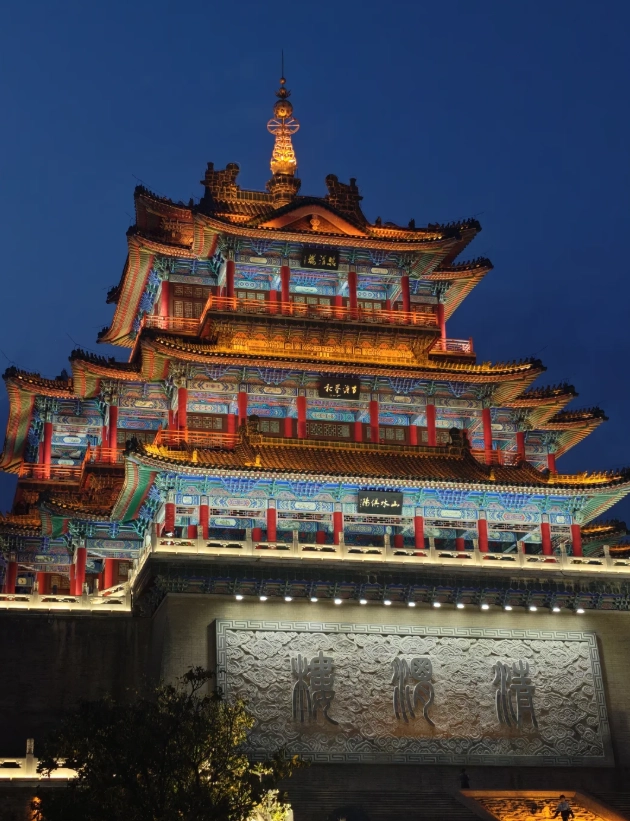
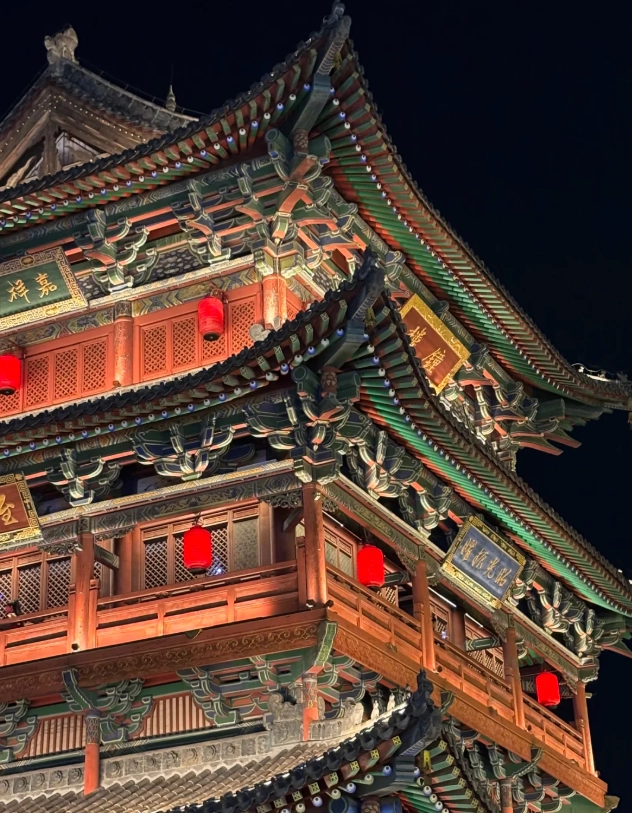


Hi! Thank you for reaching out and sharing your travel plans. Visiting Suzhou with your children in early December will be a wonderful experience! December brings a crisp, refreshing atmosphere to Suzhou’s gardens, and you will get to see a charming mix of late autumn colors and winter greenery.
Here is the detailed advice and answers to your questions to help you refine your itinerary:
---
SECTION 1: Daily Schedule & Timing Recommendation
Given the short daylight hours in early December (sunset is around 4:50 PM – 5:00 PM), starting early will help you make the most of your day:
* 8:30 AM – 10:30 AM | Lingering Garden
Tip: Opening at 7:30 AM, entering around 8:30 AM allows you to enjoy the garden before the tour groups arrive, when it is quietest and best for family photos.
* 10:30 AM – 11:00 AM | Transit to Tiger Hill North Gate
It takes about 15–20 minutes by taxi / ride-hailing app (e.g., DiDi) from Lingering Garden to Tiger Hill North Gate.
* 11:00 AM – 2:00 PM | Tiger Hill — North-to-South Route
Spend around 2.5 to 3 hours covering your highlights and having a simple lunch or snack around midday.
* 2:30 PM – 4:30 PM | Shantang Street
Exit via Tiger Hill’s South Gate, which leads directly to the northern end of Shantang Street. You can take a scenic canal boat trip or walk down toward the main historic section, arriving right around dusk as the red lanterns begin to light up!
---
SECTION 2: Tiger Hill Business Hours (Early December)
* Winter Hours (Nov 1 – Apr 30): 7:30 AM – 5:00 PM
* Note: Ticket sales and park admission usually stop around 4:30 PM.
---
SECTION 3: Signage at the North Gate (Bamboo Grove)
Yes, there is clear English and Chinese directional signage immediately after entering through the North Gate.
The Bamboo Grove is located in the northern, lower-lying area of Tiger Hill. As soon as you enter through the North Gate, follow the main footpath leading towards the hill; you will encounter directional signs pointing toward the Bamboo Grove / North Tea Garden.
---
SECTION 4: Taking the Metro to Tiger Hill North Gate
To reach the North Gate specifically via public transit:
* Metro Line: Take Suzhou Metro Line 6 and get off at Huqiu (Tiger Hill) Station.
* Exits: Follow the station signs directly to the Tiger Hill North Gate entrance plaza.
If you are coming directly from Lingering Garden that morning: Taking a taxi or DiDi (approx. 15 to 25 RMB, 15 minutes) is highly recommended over the metro, as it drops you off right at the North Gate without transfers and saves energy for walking with your kids.
---
SECTION 5: Other Highlights Worth Including on the North-to-South Route
Since you enter from the quieter North Side and ascend toward the South Gate, consider adding these quick stops along your path:
* Third Spring / Lu Yu Well: A historical spring evaluated by Lu Yu (the "Tea Sage" of China).
* Two Immortals Pavilion: Located near Thousand Men Rock, a small stone pavilion rich in local folklore.
* Yongcui Villa: Located near the South Gate, this unique hill-slope garden offers beautiful traditional architecture and lovely terrace views without requiring much extra time.
---
SECTION 6: Suggested Logical Sequence (North-to-South Route)
Entering from the North Gate and ending at the South Gate (downhill walking at the end, which is very kid-friendly):
1. North Gate Entrance
2. Bamboo Grove
3. Yunyan Pagoda (Tiger Hill Leaning Tower) [At the top of the hill]
4. Sword Pool
5. Thousand Men Rock
6. Zhenniang’s Tomb
7. Sword Testing Stone
8. Broken Beam Hall (Near the inner South Gate area)
9. Wanjing Villa (Located in the southeastern corner near the exit)
10. South Gate Exit
---
SECTION 7: Time Estimate & Vegetarian Dining Clarification
* Estimated Time for Route: 2 to 2.5 hours is sufficient to walk this route smoothly with children, allowing time for photo stops and rests.
* Clarification on Wanjing Villa & Vegetarian Dining:
Wanjing Villa is famous for its stunning collection of classic Suzhou-style bonsai trees, but it does not host a formal sit-down vegetarian restaurant.
If you are looking for traditional vegetarian food inside or around Tiger Hill, Temple Vegetarian Noodles and steamed buns are typically available at tea houses/snack stands inside the scenic area.
Alternatively, if you prefer a proper meal, you will find plenty of snack shops and restaurants right outside the South Gate as you transition into Shantang Street, including traditional Suzhou noodle houses offering delicious vegetarian noodle toppings (e.g., wild mushroom, tofu skin, or vegetable noodles).
---
Wishing you and your family a fantastic trip to Suzhou! If you have any further questions, feel free to leave another comment.
Hi! Thank you for reaching out and sharing your travel plans. Visiting Suzhou with your children in early December will be a wonderful experience! December brings a crisp, refreshing atmosphere to Suzhou’s gardens, and you will get to see a charming mix of late autumn colors and winter greenery.
Here is the detailed advice and answers to your questions to help you refine your itinerary:
① Daily Schedule & Timing Recommendation
Given the short daylight hours in early December (sunset is around 4:50 PM – 5:00 PM), starting early will help you make the most of your day:
• 8:30 AM – 10:30 AM | Lingering Garden
Tip: Opening at 7:30 AM, entering around 8:30 AM allows you to enjoy the garden before the tour groups arrive, when it is quietest and best for family photos.
• 10:30 AM – 11:00 AM | Transit to Tiger Hill North Gate
It takes about 15–20 minutes by taxi / ride-hailing app (e.g., DiDi) from Lingering Garden to Tiger Hill North Gate.
• 11:00 AM – 2:00 PM | Tiger Hill — North-to-South Route
Spend around 2.5 to 3 hours covering your highlights and having a simple lunch or snack around midday.
• 2:30 PM – 4:30 PM | Shantang Street
Exit via Tiger Hill’s South Gate, which leads directly to the northern end of Shantang Street. You can take a scenic canal boat trip or walk down toward the main historic section, arriving right around dusk as the red lanterns begin to light up!
② Tiger Hill Business Hours (Early December)
• Winter Hours (Nov 1 – Apr 30): 7:30 AM – 5:00 PM
• Note: Ticket sales and park admission usually stop around 4:30 PM.
③ Signage at the North Gate (Bamboo Grove)
Yes, there is clear English and Chinese directional signage immediately after entering through the North Gate.
The Bamboo Grove is located in the northern, lower-lying area of Tiger Hill. As soon as you enter through the North Gate, follow the main footpath leading towards the hill; you will encounter directional signs pointing toward the Bamboo Grove / North Tea Garden.
④ Taking the Metro to Tiger Hill North Gate
To reach the North Gate specifically via public transit:
• Metro Line: Take Suzhou Metro Line 6 and get off at Huqiu (Tiger Hill) Station.
• Exits: Follow the station signs directly to the Tiger Hill North Gate entrance plaza.
If you are coming directly from Lingering Garden that morning: Taking a taxi or DiDi (approx. 15 to 25 RMB, 15 minutes) is highly recommended over the metro, as it drops you off right at the North Gate without transfers and saves energy for walking with your kids.
⑤ Other Highlights Worth Including on the North-to-South Route
Since you enter from the quieter North Side and ascend toward the South Gate, consider adding these quick stops along your path:
Third Spring / Lu Yu Well: A historical spring evaluated by Lu Yu (the "Tea Sage" of China).
Two Immortals Pavilion: Located near Thousand Men Rock, a small stone pavilion rich in local folklore.
Yongcui Villa: Located near the South Gate, this unique hill-slope garden offers beautiful traditional architecture and lovely terrace views without requiring much extra time.
⑥ Suggested Logical Sequence (North-to-South Route)
Entering from the North Gate and ending at the South Gate (downhill walking at the end, which is very kid-friendly):
North Gate Entrance
Bamboo Grove
Yunyan Pagoda (Tiger Hill Leaning Tower) [At the top of the hill]
Sword Pool
Thousand Men Rock
Zhenniang’s Tomb
Sword Testing Stone
Broken Beam Hall (Near the inner South Gate area)
Wanjing Villa (Located in the southeastern corner near the exit)
South Gate Exit
⑦ Time Estimate & Vegetarian Dining Clarification
• Estimated Time for Route: 2 to 2.5 hours is sufficient to walk this route smoothly with children, allowing time for photo stops and rests.
• Clarification on Wanjing Villa & Vegetarian Dining:
Wanjing Villa is famous for its stunning collection of classic Suzhou-style bonsai trees, but it does not host a formal sit-down vegetarian restaurant.
If you are looking for traditional vegetarian food inside or around Tiger Hill, Temple Vegetarian Noodles and steamed buns are typically available at tea houses/snack stands inside the scenic area.
Alternatively, if you prefer a proper meal, you will find plenty of snack shops and restaurants right outside the South Gate as you transition into Shantang Street, including traditional Suzhou noodle houses offering delicious vegetarian noodle toppings (e.g., wild mushroom, tofu skin, or vegetable noodles).
Wishing you and your family a fantastic trip to Suzhou! If you have any further questions, feel free to leave another comment.
Hi,
We will be visiting Suzhou, including Tiger Hill, around 1–3 December. I will be travelling with my two children.
I plan to visit Lingering Garden in the morning, then Tiger Hill, and afterwards Shantang Street. We expect to spend about 2 hours at Lingering Garden, 2–3 hours at Tiger Hill, and 1–2 hours at Shantang Street.
For Tiger Hill, the highlights we would like to cover are:
a) Bamboo Grove
b) Sword Pool
c) Yunyan Pagoda
d) Thousand Men Rock
e) Zhenniang’s Tomb
f) Sword Testing Stone
g) Broken Beam Hall
h) Wanjing Villa — we may or may not visit Wanjing Villa for dining. We understand that vegetarian options are available there, but please correct us if we are mistaken.
(We will visit Shantang Street after visiting Tiger Hill.)
We would appreciate your advice on the following:
1. What time should we start our visits to Lingering Garden, Tiger Hill, and Shantang Street in early December?
2. Could you let us know Tiger Hill’s business hours, including opening and closing times, in early December?
3. Is there signage at the North Gate showing the way to Bamboo Grove?
4. For Tiger Hill, we plan to take the North-to-South route. How should we take the metro to the North Gate?
5. Are there any other highlights worth including on the North-to-South route?
6. Could you please suggest the correct sequence of the above highlights for the North-to-South route?
7. For the North-to-South route, how long do you estimate it will take us to cover the highlights?
Thank you for your advice.
Hi,
We will be visiting Suzhou, including Tiger Hill, around 1–3 December. I will be travelling with my two children.
I plan to visit Lingering Garden in the morning, then Tiger Hill, and afterwards Shantang Street. We expect to spend about 2 hours at Lingering Garden, 2–3 hours at Tiger Hill, and 1–2 hours at Shantang Street.
For Tiger Hill, the highlights we would like to cover are:
a) Bamboo Grove
b) Sword Pool
c) Yunyan Pagoda
d) Thousand Men Rock
e) Zhenniang’s Tomb
f) Sword Testing Stone
g) Broken Beam Hall
h) Wanjing Villa — we may or may not visit Wanjing Villa for dining. We understand that vegetarian options are available there, but please correct us if we are mistaken.
(We will visit Shantang Street after visiting Tiger Hill.)
We would appreciate your advice on the following:
1. What time should we start our visits to Lingering Garden, Tiger Hill, and Shantang Street in early December?
2. Could you let us know Tiger Hill’s business hours, including opening and closing times, in early December?
3. Is there signage at the North Gate showing the way to Bamboo Grove?
4. For Tiger Hill, we plan to take the North-to-South route. How should we take the metro to the North Gate?
5. Are there any other highlights worth including on the North-to-South route?
6. Could you please suggest the correct sequence of the above highlights for the North-to-South route?
7. For the North-to-South route, how long do you estimate it will take us to cover the highlights?
Thank you for your advice.