 Tao Xu
You ever traveled thousands of miles only to stare at an empty cliff? I've guided dozens of travelers to the White-Headed Langur National Nature Reserve in Guangxi, and I've watched more than a few walk away disappointed because they arrived at noon under a blazing sun.
Here's the thing—this crimson-headed monkey lives only in a thin strip of karst forest along the Chongzuo region. The reserve is a serious conservation site, not a roadside zoo. If you show up like it's a theme park, you're likely to see nothing but limestone. But if you plan around the animals' rhythm, you'll get one of the most unforgettable wildlife moments in China.
My one-sentence takeaway: book a night in Chongzuo, be at the reserve's observation area by 6:30 AM, and follow the ranger's trail. The monkeys are out, the light is soft, and the crowds are nowhere to be found.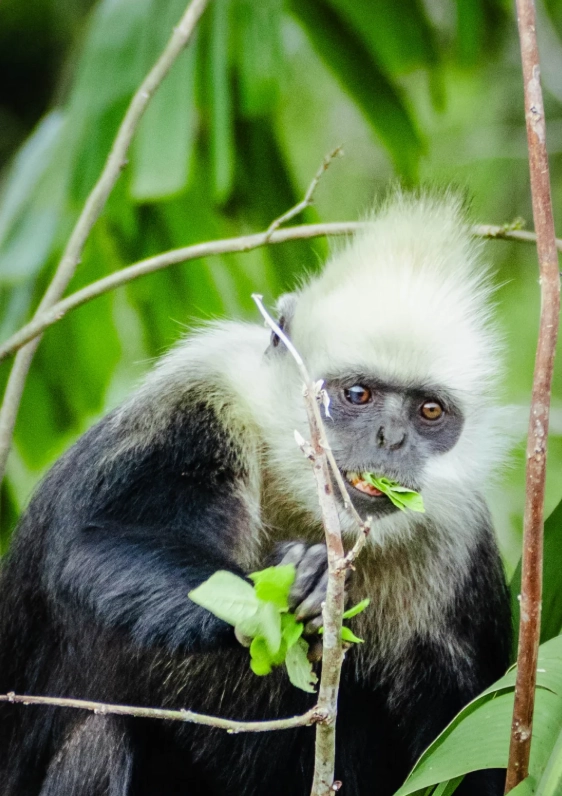
Why the White-Headed Langur Reserve Matters
The reserve protects the last wild population of the white-headed langur (Trachypithecus poliocephalus), a leaf-eating monkey with a distinctive white crown and coal-black face. With fewer than 1,500 individuals left, it's one of the rarest primates alive—more endangered than the giant panda. The habitat is a dramatic mix of 600-million-year-old limestone karst peaks, subtropical forest, and hidden caves. I always tell my clients to look up, because the animals are often moving along almost vertical cliff faces at impossibly high elevations.
What makes the experience different from a typical wildlife park is the sense of discovery. You're not watching them in a controlled enclosure; you're entering their last refuge. Rangers patrol the area, locals have become conservationists, and the whole ecosystem works in a precarious balance. Sustainable tourism is not just a buzzword here—it's a lifeline for the villages that depend on the reserve's survival.
I remember guiding a family from California last March. They were skeptical about a two-hour drive from Nanning just to "see some monkeys". By 7:00 AM, we were sitting behind a low stone wall, watching three females and a juvenile langur leap across a gap that looked like it was at least ten meters wide. The kids went silent. Their mom later told me it was the best decision they made on their whole China trip.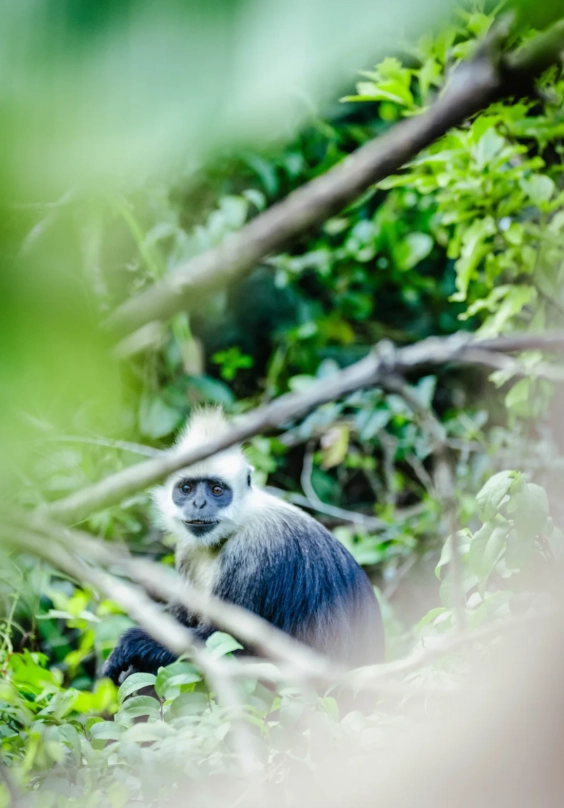
How to Plan Your Visit to the White-Headed Langur Nature Reserve
Permits and Tickets
Entry to the core zone is restricted, and yes, you need a valid passport. The reserve is managed by the Guangxi White-Headed Langur National Nature Reserve Administration. Most visitors enter through the White-Headed Langur Ecological Park (白头叶猴生态公园), which is the official visitor gate. The entrance fee is around 80 CNY per person, plus an optional 30 CNY for the electric cart that takes you deeper towards the cliffs. But don't take those numbers as gospel—check with your hotel or the official WeChat account of the reserve for the latest rates.
Foreigners can book tickets through Trip.com or Klook by searching for "White-Headed Langur" — this is usually smoother than wrestling with a Chinese-language mini-program. If you're already in Chongzuo without a booking, don't worry: the on-site ticket office accepts Alipay, WeChat Pay, and cash. I always recommend carrying cash as a backup, because rural ATMs occasionally swallow cards. Also remember that your passport must be the physical booklet; a photocopy or a photo on your phone will not pass the security check.
The Best Time of Day to See the Langurs
The golden rule: arrive before sunrise and stay on the trail until mid-morning. The langurs spend the night in caves and emerge at first light to feed on young leaves. The dry season (November to April) is the most predictable because the animals stick to a tighter morning window due to cooler temperatures. In the wet season, you might see them until 10 or 11 AM, but heavy rain can also make the trails slippery. Harsh sunlight after noon drives them back into the shade and caves, checking that off your list.
If you can't manage a dawn visit, the next best window is late afternoon, around 4 PM, when they shift to a feeding bout before dusk. But the trade-off is that you'll likely be leaving the reserve in the dark. My recommendation is to stay overnight in the nearby village—you'll be able to catch both active periods without the stress of a rushed day trip.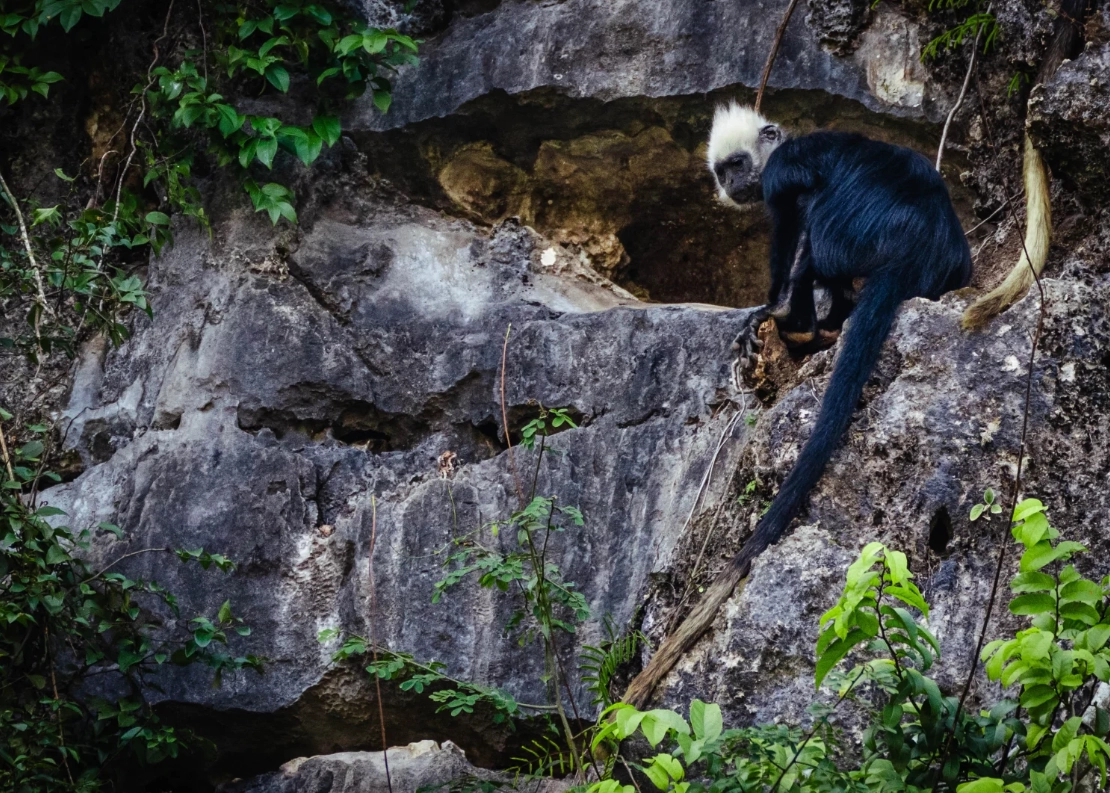
What to Bring
Binoculars are non-negotiable, especially for observing the langurs on cliffs that are often hundreds of meters away. A camera with at least a 200mm lens will get you usable shots; if you only have a phone, you'll be able to see the monkeys with your naked eyes, but the photos will look like group photos at a wedding. Wear shoes with good grip—the karst limestone is sharp-edged and the paths have steps that are unevenly worn. Insect repellent is a must, particularly in the wet season; the mosquitoes are relentless along the shaded trails. Also pack a light rain jacket, a water bottle, and your passport. Sunblock is helpful in open areas, but most of the walk is under tree cover.
Transportation to the Reserve
Getting to the reserve requires two legs. First, you need to reach Chongzuo city; from there, it's a short taxi ride to the gate. Here are your main options:
| Route | Mode | Duration | Cost (approx.) | Notes |
|---|---|---|---|---|
| Nanning to Chongzuo | High-speed train | 1–1.5 hours | 70–110 CNY | From Nanning East or Nanning railway station; book via 12306 or Trip.com. |
| Nanning to Chongzuo | Long-distance bus | 2.5 hours | 90 CNY | From Langdong Bus Station; more flexible with luggage. |
| Chongzuo to Reserve | Taxi / Didi | 15–20 minutes | 40–60 CNY | Show the driver "白头叶猴生态公园" for the ecological park entrance. |
For navigation, forget Google Maps. It's unreliable in this part of Guangxi. Use Apple Maps or AMap Global (高德地图) and search for "White-Headed Langur Ecological Park" or "白头叶猴生态公园". If you're using a Didi (i.e., China's Uber), you can set the destination via the Alipay mini-app using the Chinese characters.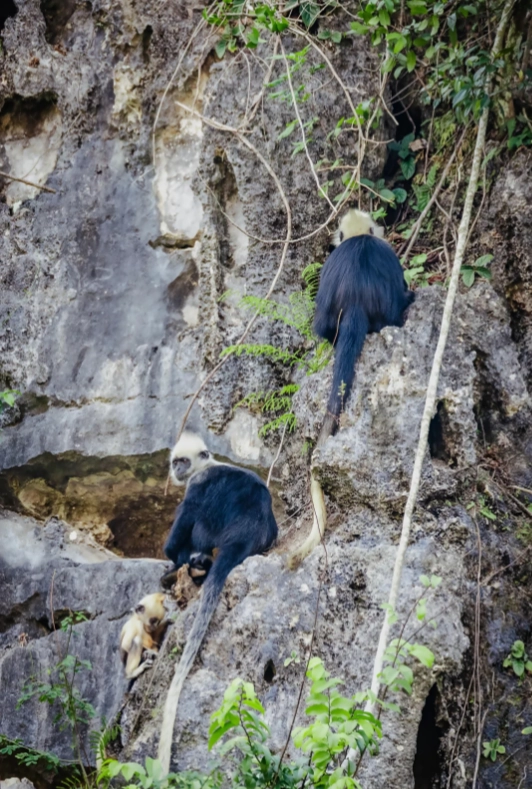
If you're coming from Nanning Wuxu Airport, you can grab a bus to Chongzuo directly from the airport terminal, but it's slower than taking a taxi to Nanning Railway Station first. The fastest practical sequence is: airport taxi to Nanning Railway Station (about 45 minutes), then the train to Chongzuo South Station. Once there, follow the signs to the taxi stand—the line is usually short.
Where to Stay Around the Reserve
Chongzuo City: The Practical Hub
For first-time visitors, staying in Chongzuo city is the safest and most comfortable option. The city has everything from budget chains to a few nicer boutique hotels. I've stayed at the Chongzuo International Hotel (崇左国际大酒店), which is clean and close to the main square, although English spoken at the front desk is limited. A basic double room typically costs 200–350 CNY in low season; weekends and holidays can push that up. The hotel's location near the bus station makes it easy to catch an early ride to the reserve. Your concierge can also help you arrange a private driver for the day—expect to pay around 300 CNY for a 6-hour round trip.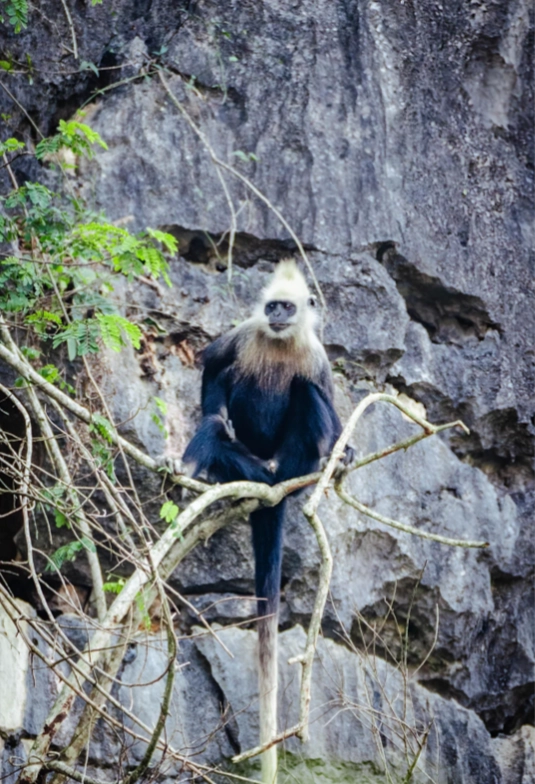
Banleng Village: Leave from the Gate
If you can handle modest accommodation, staying in Banleng (板楞) village puts you literally a few minutes from the eastern entrance of the reserve. These are family-run guesthouses with no hotel sign in English, but the owners are used to international visitors. You'll get a simple room—often without air conditioning in the budget ones—and a generous local breakfast of rice noodle soup. Costs can be as low as 80 CNY per night for a private room. The real benefit is access: you can be standing at the ranger's post by 5:45 AM, which eliminates the early taxi scramble from the city. Just be aware that Wi-Fi is patchy and the hot water might be lukewarm; it's a trade-off for being so close to the action.
Insider Tips for a Successful Visit
After three separate trips to this reserve, I've earned a few scars and a lot of knowledge. Here's what I always tell my travelers:
- Don't wear bright clothes. The langurs have excellent vision and will alert the troop if they spot neon colors on the trail. Stay in earth tones.
- Walk quietly. Locals and rangers move slowly and speak in whispers. If you're loud, you'll trigger the cave alerts and watch the monkeys vanish.
- Bring a pair of 8x42 binoculars. Much of the action happens over a stone's throw away, but on horizontal cliff faces, good optics make the difference between "I think I saw one" and "I watched it snatch a leaf."
- Pack snacks. The reserve's cafe is basic and often closed for lunch. A few energy bars and a thermos of tea can keep you on the trail longer.
- Cash is still king in the countryside. The ticket office and local vendors might not accept international cards. Carry at least 200 CNY in small notes.
- Ask for the ranger-led route. There are two main viewing paths: the lower stone path (short and wide) and the upper ridge trail (longer, steeper, but far better for sightings). Rangers will usually join you if you ask at the visitor center, which adds a huge layer of safety and knowledge.
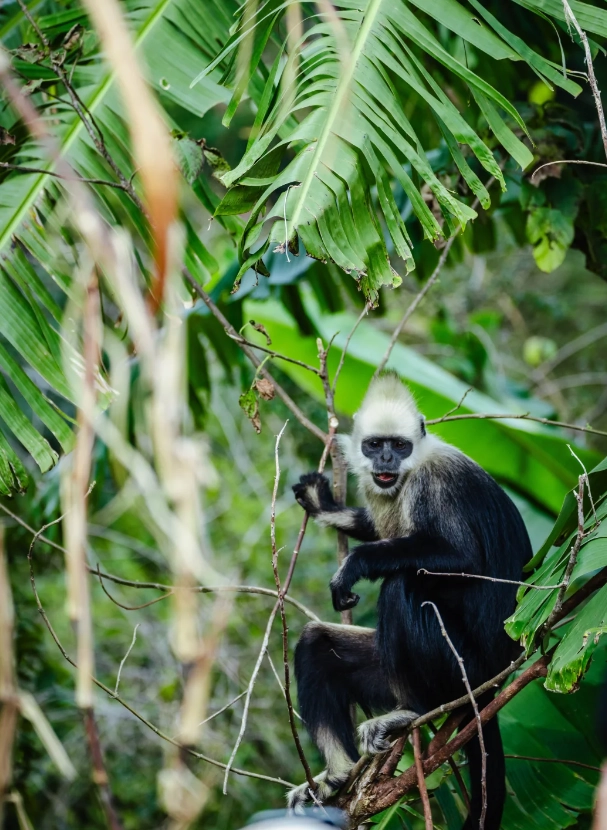
Pro Tip: Don't bother with the main entrance at 9 AM when all the group tours arrive. Instead, hire a local guide from the village or ask your guesthouse owner to walk you to the back gate. It's a 10-minute walk from Banleng and leads straight to the upper ridge path without hitting the tourist bottleneck. I've never had a morning where I didn't spot at least three langurs from that side.
One thing that surprised me is how much the reserve's fate is intertwined with the local farmers. The rangers and many villagers are actually former poaching families who now work as wildlife protectors. When you pay for a local guide, you're directly supporting a successful conservation story that has boosted the langur population from less than 300 in 2000 to over 1,300 today. That's a meaningful way to travel consciously.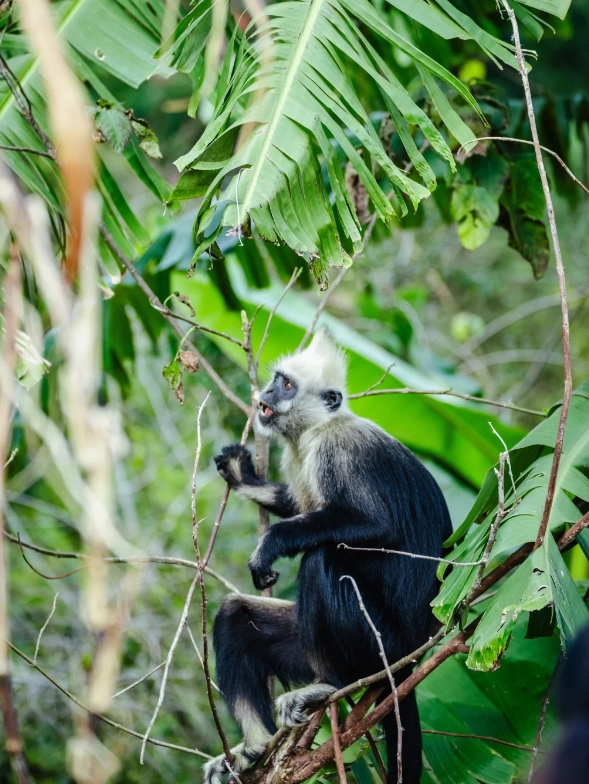


Came here during Golden Week by accident (well, it was the only place with tickets left). What a surprise! It was much less crowded than the popular sights, and the whole valley felt serene. Our family loved the interpretive signs and the short documentary in the visitor center. The kids are still talking about seeing the baby langur clinging to its mom. A hidden gem.
I've been following the conservation efforts for these monkeys for years, so this was a bucket-list visit. The reserve exceeded expectations. We saw the 'White-Headed Beauties' within 20 minutes of entering—thanks to the excellent spotter team. Observation hides are well placed, and the staff clearly care about the animals. A very moving experience; I left with a lot of hope.
Absolutely stunning reserve! The limestone karst scenery alone is worth the drive, but seeing a troop of langurs leaping between cliffs was unforgettable. The ranger talk at 11am was passionate and educational. Bring your own water, respect the quiet rules, and give yourself at least 3 hours. This is how ecotourism should be done.
A solid morning trip. The forest canopy walk gives you a nice view, and our guide, Miss Tang, knew exactly where to look—we spotted a group of white-headed langurs with two babies. The trail is well kept but does have steep sections, so wear proper shoes. Only reason not 5 stars: the café ran out of cold drinks by 2 pm and the shuttle from the gate was a bit cramped.
Got here around 10 on a weekday. The ticket felt a bit steep for what's basically a hillside walk. We did see a couple of langurs far off in the trees, but the viewing points are quite far from the actual reserve, and the provided binoculars were blurry. The visitor center is informative but small. Staff were friendly enough, though. If you're a dedicated birdwatcher or primate lover, it's worth a stop; casual tourists might be underwhelmed.
I've been to many nature reserves in southern China, and this one stands out. The conservation story behind the white-headed langur is both heartbreaking and hopeful—the museum photos of former habitat destruction make you appreciate the protected forest even more. We brought our own binoculars and did the self-guided route, which took about four relaxed hours including picnic stops. Every few minutes a different bird song, and then suddenly a langur crossed a gap between two cliffs. I was grinning for hours. Perfect for photographers, birders, and anyone who values quiet wild spaces.
This reserve is a hidden gem. The staff at the entrance were warm and gave us a map plus tips about where the langurs usually hang out. We ended up walking the southern trail and came across a research team who let us peek through their spotting scope. Saw around eight langurs lounging in the trees, no pressure, no crowds. The whole place felt wild and untouched, and the karst landscape is absolutely extraordinary. Easily the highlight of my Guangxi trip.
Absolutely blew me away! I did the early morning guided walk and saw an entire family of white-headed langurs—including a baby with that golden-orange fur. They were leaping across the cliffs like it was nothing. Our local guide stayed sharp and knew exactly which slopes to scan. The viewing scope at the observation area made it easy to see them even from a distance. If you're in Chongzuo, don't skip this; it's one of the most magical wildlife experiences I've had in China.
Really lovely spot if you're into eco-tourism and patient wildlife watching. The scenery alone is stunning—those limestone peaks and the river winding through are postcard material. I went on a weekday morning and had a decent guide who pointed out two langurs resting on a cliff ledge. It wasn't life-changing, but it was peaceful and educational. Only reason for four stars: the trail markers are inconsistent and I almost took a wrong turn. Still recommend it for nature lovers.
We visited on a Sunday and honestly expected more for the price. The entry fee isn't huge, but the shuttle dropped us at the main loop and then we were basically left to wander. Did spot one white-headed langur high up in the karst trees, but through binoculars it was just a white dot. The visitor center displays are okay but many signs were only in Chinese. I'd say come with low expectations and bring your own snacks.
I hate to be negative because the conservation work is important, but my visit was a little frustrating. We paid for a guide and walked for almost two hours in humid heat without seeing any langurs. We eventually heard some rustling and saw two tiny shapes far away in the trees - not the close view I expected. The reserve feels underdeveloped; there’s no café or shaded shelter at the start. If you have limited time, maybe call ahead to ask about recent sightings.
Really beautiful reserve and we did spot a pair of white-headed langurs, which was a dream. The reason for 4 stars is the trail signage is pretty poor in places, and the viewing platform felt a bit cramped when a tour group arrived. Still, the experience itself was unforgettable and the guides at the entrance were helpful. Go early to avoid crowds.
I’ve been to a lot of nature reserves in China, but this one stands out. The scenery alone - towering limestone peaks and lush forest - is worth the trip. We didn’t see langurs until the last 20 minutes, but then a whole group appeared right above us. It was so quiet you could hear them calling. The ranger station is basic but has cold drinks and a simple map. Definitely go with the local guide.
As someone who studies primates, this place gave me goosebumps. The habitat is so well protected and the staff clearly care. We saw at least 15 langurs, including a mother carrying a tiny baby with golden fur. The forest trail is a bit steep but the canopy views are stunning. Bring binoculars and be patient. Conservation in action!
We went early morning with a guide from the visitor centre and it was magical. The karst peaks were wrapped in mist, and after about 40 minutes of walking we spotted a troop of white-headed langurs moving across the cliff face. Even from a distance, their black bodies and white heads were unmistakable. The guide’s spotting scope made a huge difference. This reserve is doing such important work — absolutely worth the journey from Chongzuo.