 Ling Wu
Quick Guide to This Post
- Why Visit the White-headed Langur National Nature Reserve?
- How to Get to the White-headed Langur National Nature Reserve?
- What to Expect on a Wildlife Spotting Trip
- How to Book Tickets and Entry Requirements
- Where to Stay Near the Reserve
- Insider Tips from My Years as a Guide
- What Common Mistakes Should You Avoid?
- Frequently Asked Questions
Dawn in Guangxi. I'm kneeling in wet grass, binoculars raised. My clients hold their breath. Then a white-headed langur leaps across a cliff — and someone whispers, 'worth the 4 a.m. start.'
But booking a White-headed Langur National Nature Reserve wildlife spotting trip isn't like visiting the Forbidden City. You won't find it on Google Maps, your Visa card won't work at the gate, and almost every sign is in Mandarin. Foreign travelers often give up before even trying.
Here's the lesson from hundreds of trips: the reserve is absolutely visitable if you follow three rules — hire a local guide, come before sunrise, and pre-book through a Chinese-language WeChat mini-program (or have your hotel do it). Skip these, and you'll likely stare at empty trees.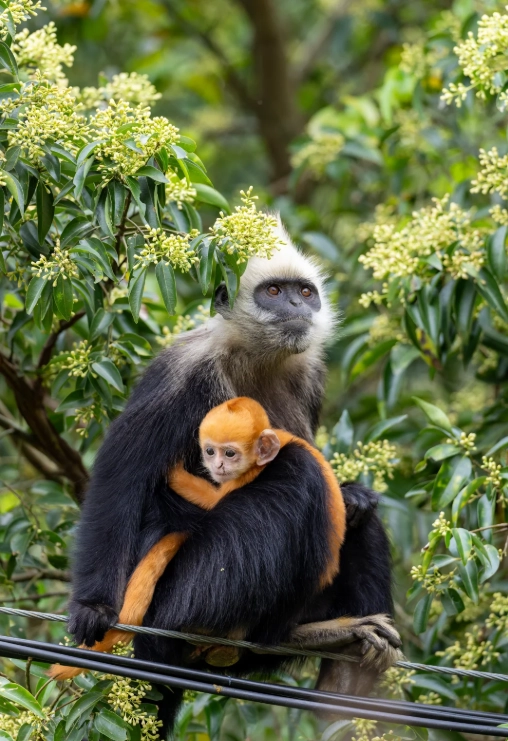
Why Visit the White-headed Langur National Nature Reserve?
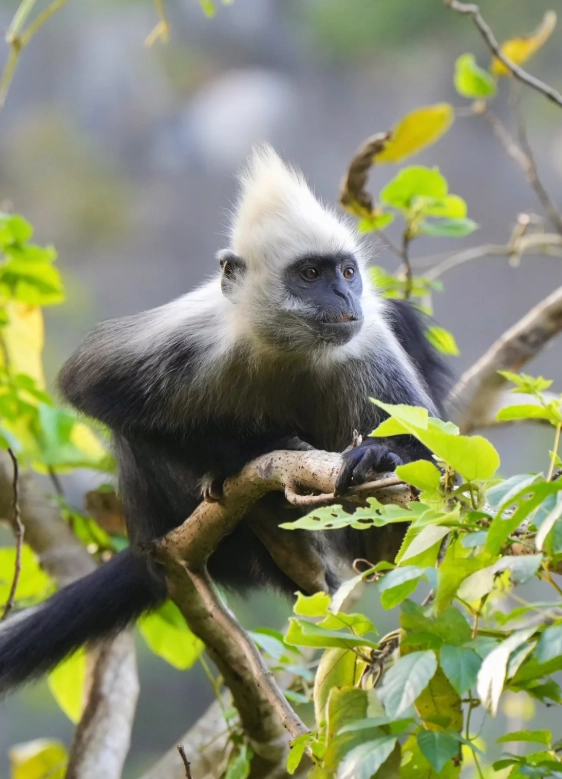
The white-headed langur is one of the rarest primates on Earth, with a population of roughly 1,400 individuals. The reserve, established to protect them, spans limestone karst forests in Chongzuo, Guangxi. It's your best chance to see these 'white-headed beauties' in the wild — and a remarkable opportunity to observe a species found nowhere else.
I've been leading groups here for over a decade, and I still get goosebumps when the monkeys appear on the cliffs.
How to Get to the White-headed Langur National Nature Reserve?
The main visitor area is the Banli section near Chongzuo city. It's roughly a 40–60 minute drive from Chongzuo Railway Station, depending on which specific viewpoint you're targeting. Most travelers hire a private car or join a local tour.
Pro Tip: Don't rely on a taxi driver who doesn't know the reserve. Use the Chinese ride-hailing app Didi and show the driver the Chinese name: 白头叶猴国家级自然保护区 (Bantouyehou Guojia Ziran Baohuqu). Many drivers in Chongzuo will recognize it.
From Chongzuo City
Chongzuo has a high-speed rail station with frequent trains from Nanning (about 30–40 minutes). From the station, negotiate a taxi or Didi fare to Banli. Expect to pay around 100–150 RMB for a one-way trip. Better yet, book a full-day tour that includes transport.
From Nanning or Other Cities
Fly into Nanning Wuxu International Airport, then take a high-speed train to Chongzuo. From there, continue as above. If you're comfortable with a longer drive, a direct private transfer from Nanning takes about 2.5 hours.
| Transport Option | Time | Cost (per person) | Notes |
|---|---|---|---|
| High-speed train (Nanning–Chongzuo) | 40 min | ~50 RMB | Book via Trip.com or 12306 |
| Taxi / Didi from Chongzuo Station to Reserve | 40–60 min | 100–150 RMB per car | Show Chinese name; agree on price before starting |
| Full-day charter with local guide | 8–10 hours | 800–1200 RMB per group | Includes transport, guide, and often permits |
What to Expect on a Wildlife Spotting Trip
Entering the reserve isn't like entering a zoo. You'll be walking along quiet forest trails, sometimes through scrubland and limestone stairs. The langurs are most active at dawn and dusk. The rest of the day they often vanish into the foliage to rest.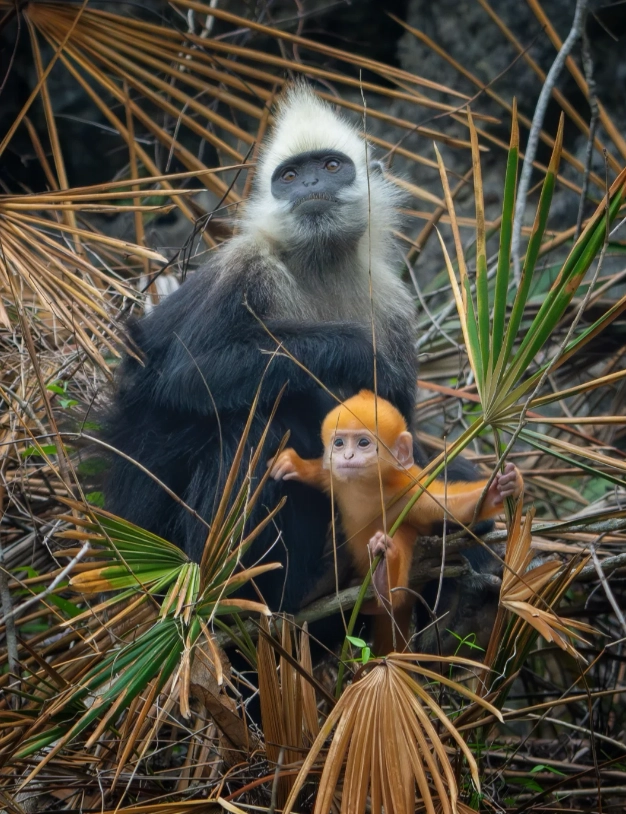
The Best Time for Spotting
Early morning from 6:00 to 8:30 is the golden window. The langurs feed energetically after waking up. Sunset from 17:00 to 19:00 is secondary. I always tell clients: if you only have one day, start before sunrise. The reserve gates usually open around 7:00, but confirm the day before.
What to Bring
Binoculars are non-negotiable. A telephoto lens (200mm or more) is ideal if you want photos. Also bring water, snack, insect repellent, and sun protection. The trails are not extremely difficult, but there are slopes and slippery limestone. Wear sturdy shoes.
How to Book Tickets and Entry Requirements
Entry to the reserve typically requires advance reservation and a passport for foreign visitors. The official booking channel is a WeChat mini-program, which is entirely in Chinese. Don't panic — here's how to handle it.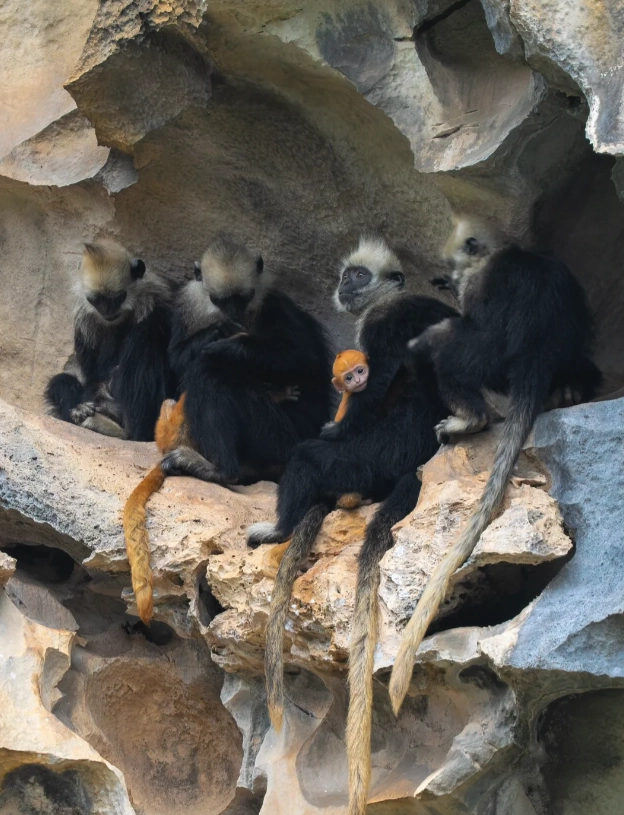
How to Book Your Entry Ticket
Ask your hotel receptionist or a Chinese friend to book via the '白头叶猴保护区' mini-program. Alternatively, use an English-friendly platform like Trip.com or Klook, which often sells combined tours including the reserve ticket. If you arrive unbooked, you may be turned away.
Payment Methods for Foreign Visitors
Cash is generally not accepted inside the reserve. You'll need Alipay or WeChat Pay linked to your international credit card. Set these up before you arrive. In the nearby town, some small shops might accept cash, but it's unreliable.
Where to Stay Near the Reserve
Most visitors stay in Chongzuo city, which has a range of hotels. For dawn access, you'd need to leave the hotel by 5:30 a.m., so 30 minutes of sleep matters. Alternatively, there are a few guesthouses near the reserve, but they're basic and booking is tricky.
| Hotel | Location | Price Range (RMB/night) | Best For |
|---|---|---|---|
| Chongzuo Hotel (崇左大酒店) | City center | 300–500 | Comfort + English-speaking staff |
| Express by Holiday Inn Chongzuo | Near railway station | 250–400 | Convenient for early trains |
| Banli Guesthouse | Near reserve | 150–250 | Backpackers aiming for sunrise |
Insider Tips from My Years as a Guide
Here are things you won't read in most guidebooks.
- Bring a power bank. The reserve has no charging points, and a dead phone means no photos.
- Wear muted colors — green or brown, not white or red. Langurs notice bright shades and will retreat.
- Don't shout or play loud noises. Admire quietly; the langurs are easily startled.
- The best photo spot is often the first cliff after the main entrance, not deep in the forest. Groups often gather there and miss the action.
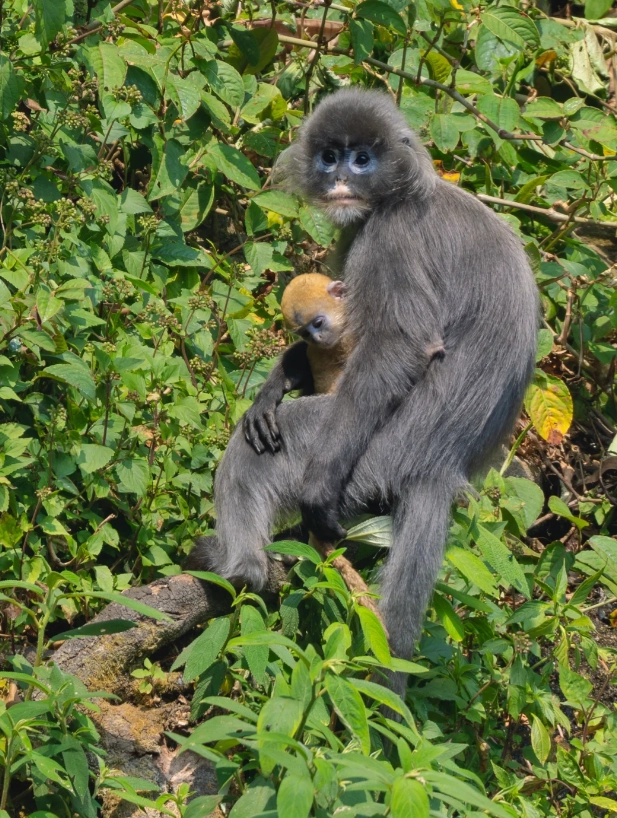
Insider Advice: If you don't want to rely on WeChat, hire a local guide via your hotel. Many guides in Chongzuo speak basic English and have relationships with reserve staff, so they can arrange entry and transport seamlessly.
What Common Mistakes Should You Avoid?
Over the years, I've seen travelers repeat the same errors.
- Arriving at midday — the langurs are sleeping, and you'll hardly see any.
- Thinking you can just buy a ticket at the gate — this almost never works for foreigners.
- Using Google Maps — it will send you to a wrong location miles away. Use Apple Maps or download AMap Global in advance.
- Forgetting your passport — you need it for the booking and possibly to register at the reserve gate.
Frequently Asked Questions
Verified and fact-checked by the editorial team.




Not quite what I expected. The reserve is beautiful, but we only saw one langur from very far away for about 30 seconds before it vanished. The guide spoke decent English but didn't provide much information beyond pointing. Maybe I had bad luck, but for the price and early wake-up, I was a bit disappointed. That said, the karst scenery is gorgeous.
Good visit, though not perfect. We saw a couple of white-headed langurs high up on a cliff, but they were far away. Our guide was knowledgeable but rushed us a bit because another group was coming. The reserve itself is clean, and the staff are friendly. If you go, take the first tour and ask for binoculars. Solid four stars.
I was worried it would be pure luck, but the reserve staff make it easy. They monitor the langurs’ sleeping cliffs and radio the guides. We got a decent view with a scope, then one jumped from one rock face to another—an unforgettable leap. Even the drive through the karst landscape was beautiful. This isn't just a nature reserve, it's a conservation success story.
Booked the 'How to Spot Them' guided walk last week. Great balance of hiking and patience. The rangers are passionate and pointed out not just white-headed langurs but also birds and rare plants. We saw 3 langurs lounging on a ledge, and the babies were insanely cute. The viewpoints are well placed, no crowds. Highly recommend the 7am session.
Absolutely stunning reserve! Our guide Ming knew exactly where to take us—within 20 minutes we saw a whole family moving across the karst cliffs. Through the spotting scope, their golden-white heads and black bodies were unmistakable. The early start was worth it. The mist burning off the limestone peaks felt magical. Bring binoculars and a long lens. This is a once-in-a-lifetime experience.
Took our kids (8 and 11) here and thought we’d be bored waiting around — nope. The reserve’s “How to Spot Them” advice was spot on: look for white fur near dark cave entrances and wait for the sun to hit the cliff. Within 20 minutes we saw four langurs, and my daughter got a great look through the big spotting scope. The guides are wonderful with children and the paths are easy to follow. Parking was simple and the scenery alone is breathtaking. A hidden gem we’ll be talking about for years.
I’m more of a birder than a primate person, but this reserve completely converted me. Even before we reached the lookout, the langurs’ calls were echoing up the valley — such a haunting sound. Our guide helped set up the scope and we spent almost an hour watching them groom and socialize on the limestone ledges. The team here is genuinely passionate about protecting this species, and it shows. A stunning location and a rare chance to see one of China’s most endangered monkeys. Highly recommended.
Hands down one of the best wildlife mornings I’ve had. We saw a full troop of 12 white-headed langurs, including tiny infants, as they woke up and started leaping across the karst towers. The ranger, Uncle Wei, knew each monkey by name and told us exactly where to look. The trail is a little steep in sections but completely manageable with decent shoes. Early light on the limestone cliffs was pure magic. Bring water and bug spray, and take your time. Absolutely worth every step — five stars without hesitation.
We followed the reserve’s advice and arrived by 7:30 am — definitely the right call. Within 20 minutes we spotted a whole group moving along the cliff edge, including two little golden-white babies clinging to their moms. The ranger explained the families and the conservation work really well. My only gripe: the wooden hideout benches are cramped, and it’s nearly impossible to mount a camera tripod without blocking someone. Minor issue, but it kept this from a perfect score. Still, an unforgettable experience.
Went on a rainy Tuesday and honestly expected a bit more. The limestone karst scenery is gorgeous, and the reserve itself is well organized, but we waited over two hours at the main viewing point and only caught one quick, distant glimpse of a langur through the trees. The fog made it tough, and the telescope at the shelter was fogged up too. Our guide was knowledgeable but seemed in a hurry to move on. If you’re already in the area, it’s a pleasant stop, but I wouldn’t make a special trip just for the langurs.