 Qiang Huang
What's Inside
I once had a group of tourists who begged me to take them to see the blue tears. We drove two hours to a beach recommended by a random blog, stood in the cold wind past midnight — and saw nothing. Why? The post said "go in summer" but skipped the essential details: moon phase, water temperature, and exact spots. This is how to see blue tears Pingtan Island the right way.
What Are Blue Tears and When Do They Appear?
Blue tears are caused by bioluminescent plankton (Noctiluca scintillans or dinoflagellates) that emit a blue glow when disturbed. In Pingtan, the phenomenon usually occurs from April to August, with peaks in May and June. The plankton thrives in warm, calm waters — after a few sunny days, the concentration rises.
The Science Behind the Glow
These single-celled organisms glow as a defense mechanism when waves or movement trigger them. The brighter the disturbance, the stronger the blue flash. That's why splashing or skipping stones can intensify the display.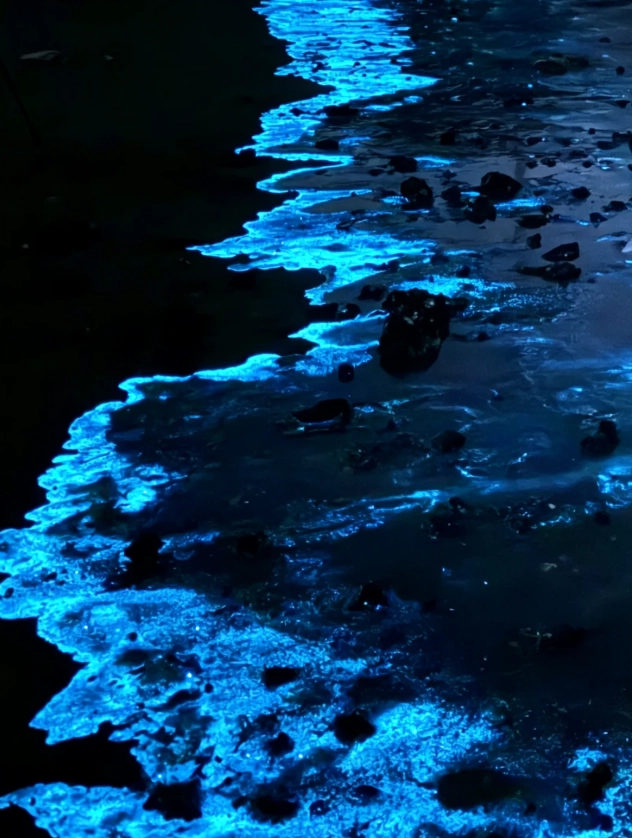
Peak Season Calendar
| Month | Probability | Water Temp | Notes |
|---|---|---|---|
| April | Medium | 18-20°C | Early season, sporadic |
| May | High | 22-25°C | Best month, stable weather |
| June | High | 25-28°C | Also great, but risk of rain |
| July | Medium | 28-30°C | Hot, crowds increase |
| August | Low-Medium | 27-30°C | Typhoon season, unpredictable |
Best Locations on Pingtan Island to See Blue Tears
Tannan Bay (南坛湾) – The Most Reliable Spot
Address: Tannan Bay, Aoqian Town, Pingtan. Show taxi driver: 平潭澳前镇南坛湾.
Why it works: Sheltered bay with less current, plankton accumulates easily.
Best time: 9 PM to 1 AM. Arrive by 8:30 PM to claim a good spot.
Access: From downtown Pingtan, it's a 20-minute taxi ride (about ¥30-40). Tell the driver “南坛湾看蓝眼泪”.
I've seen the strongest glow here during early June. The waves crash against the rocks, and each collision sends a neon blue spray.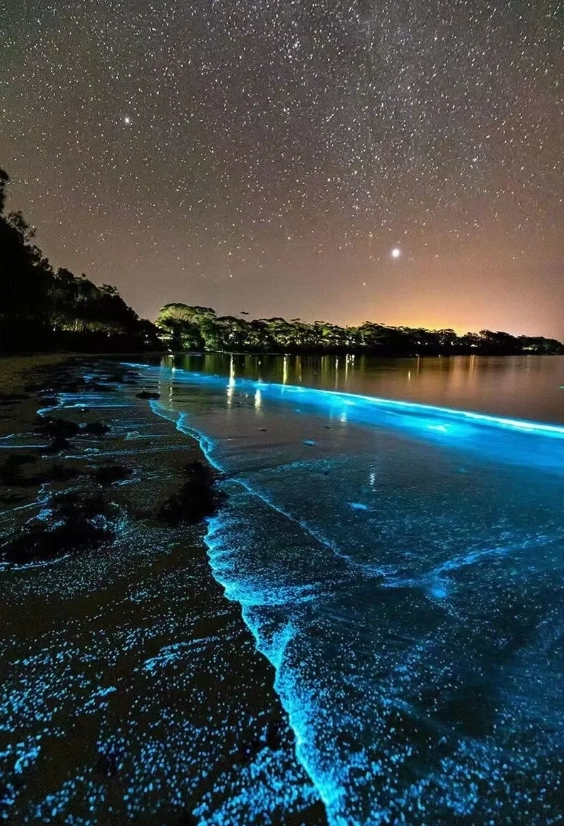
Changjiang’ao (长江澳) – Windmills and Glowing Waves
Address: Changjiang’ao, Pingtan. Chinese: 平潭长江澳.
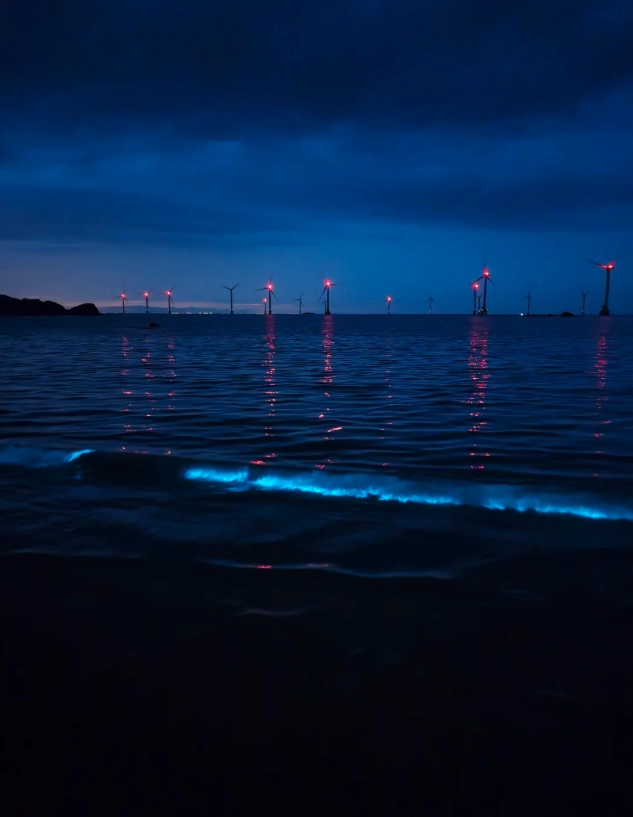
Vibe: A long beach dotted with wind turbines. The blue tears appear in the shallow water, especially after dusk.
Crowd: Popular with local photographers. Go on a weekday if possible.
Parking: Free but limited. Arrive before sunset.
One catch: The sand here is coarse, so wear shoes. I once stepped on a sharp shell — not fun.
Other Lesser-Known Beaches
- Longfengtou (龙凤头): Central beach, easy access. Often crowded, but the glow can be decent.
- Daoyu Village (岛屿村): Remote, requires a hired car. Almost no tourists, but the road is rough.
- Tangyu Bay (塘屿湾): Part of an island off Pingtan, need a ferry. Only if you have extra time.
How to Get to Pingtan Island
From Fuzhou by High-Speed Rail
Pingtan now has a high-speed rail station. Trains from Fuzhou South (福州南) run every 30-60 minutes, taking about 40 minutes. Ticket: ¥40-50 (second class). Book on Trip.com or 12306 (need passport). Once at Pingtan Station, take a taxi to your hotel — about ¥30 to the central area.
Driving or Taxi
From Fuzhou Changle Airport, it's a 1.5-hour drive (120 km). Rent a car with driver through your hotel — expect ¥400-500 one way. Google Maps won't work; use Apple Maps or ask your driver to navigate with Amap (高德).
Ferry Option (Not Recommended)
There used to be a ferry from Fuzhou, but it's slow and unreliable. Skip it unless you're on a budget and have time to waste.
What to Bring and How to Prepare
Essential Gear for Night Viewing
- Red light flashlight (white light scares the plankton and ruins your night vision).
- Waterproof shoes or sandals — you'll be walking close to the water.
- Insects repellent — mosquitoes are fierce near the beach at night.
- A small bucket — if you scoop up seawater and shake it, the blue tears glow inside the bucket. Magical for photos.
Payment and Navigation Tips for Foreigners
Payment: Most vendors and taxis accept Alipay or WeChat Pay linked to international cards. Carry some cash (¥200-300) for small stalls or backup. International credit cards are rarely accepted.
Navigation: Google Maps is inaccurate. Use Apple Maps (which uses Gaode data) or download Amap in English mode. Better yet, show the Chinese address above to a driver.
VPN & Translation: You'll need a reliable VPN to access Google or Instagram. For translation, Baidu Translate works offline — download the Chinese language pack before you go.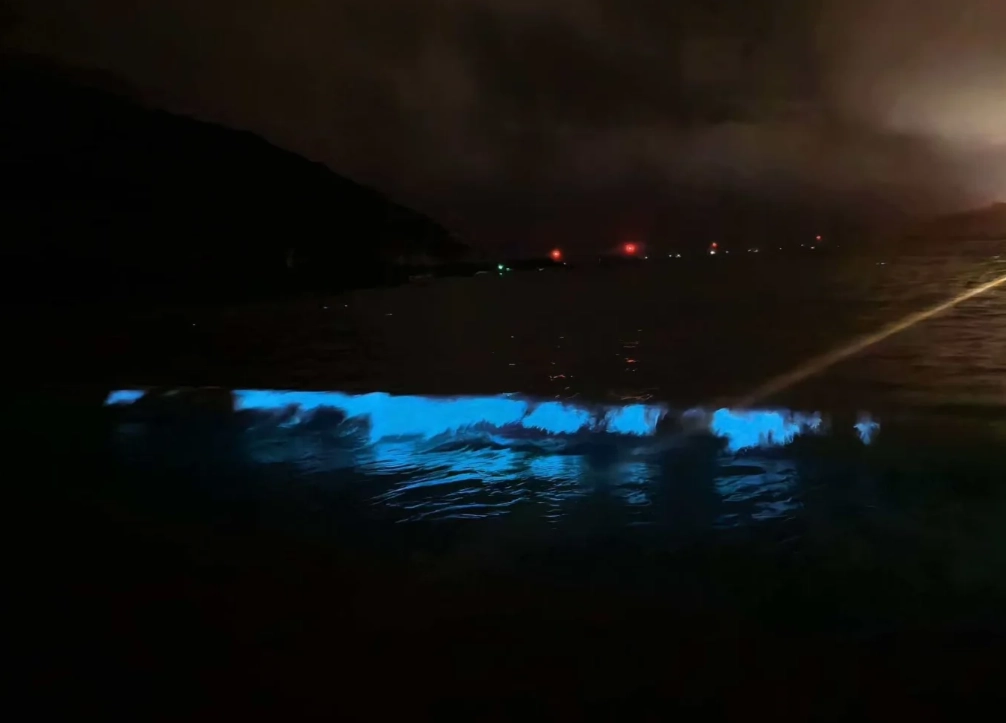
Insider Tips for a Successful Blue Tears Hunt
Best Time of Night
From my experience, the glow peaks between 10 PM and midnight. But don't arrive exactly at 10; get there by 9:30 to let your eyes adjust to darkness. The first 20 minutes are crucial — your eyes will start seeing faint blue flecks even before the main show.
Weather Conditions Matter
Check the forecast: you want a day with sunny weather, light wind, and temperature above 25°C. Heavy rain or strong wind the day before will dilute the plankton. I always tell my clients: "If it rained yesterday, stay in the hotel tonight."
Avoid Crowds with This Strategy
Weekends are packed with domestic tourists. If you can, go on a Monday or Tuesday. Also, avoid the beach right after a holiday — locals say the water gets murky. I personally prefer Changjiang’ao on a Wednesday night; it's almost empty, and the wind turbines add a surreal backdrop.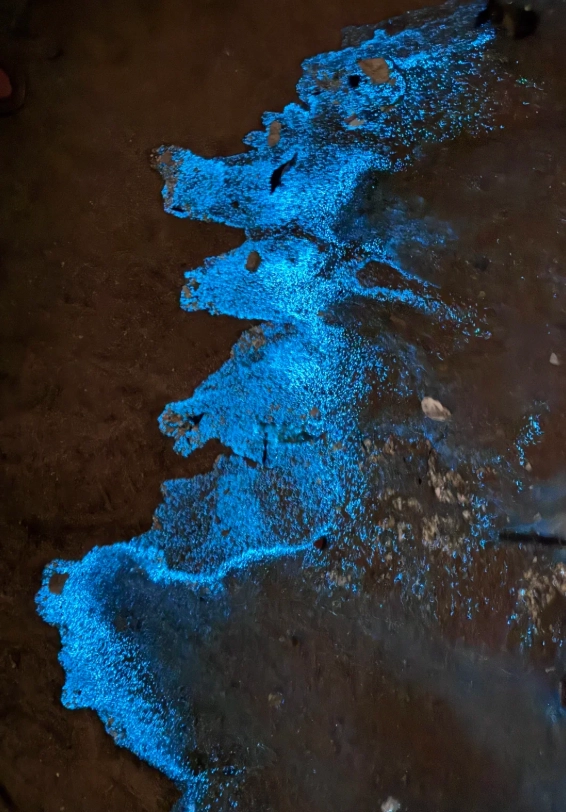
Where to Stay for Blue Tears Viewing
| Hotel Name | Location | Price (per night) | Best For |
|---|---|---|---|
| Pingtan Haijiao Hostel (海角客栈) | Near Tannan Bay | ¥150-250 | Budget solo travelers |
| Yue Se Lakeside Hotel (悦色湖畔酒店) | Downtown | ¥300-500 | Families, good facilities |
| Pingtan Windmill Resort (风电度假村) | Changjiang’ao | ¥400-700 | Couples, windmill views |
Tip: Book at least 2 nights — the blue tears aren't guaranteed every night, so you need flexibility. Most hotels allow front desk staff to call you when blue tears are reported.
Frequently Asked Questions about Blue Tears Pingtan Island
Verified and fact-checked by the editorial team.
Best travel article I've read this year. I spent three nights on Pingtan and saw the blue tears on two of them – once at Qianshui Bay and once at an unmarked spot the article hinted at. The writer clearly knows the island well. I loved how they explained the science behind the glow and the specific weather conditions needed. Without this guide I would've been wandering aimlessly. Now I'm already planning my return trip!
Can't thank this guide enough! I was skeptical at first but followed the tips: check tide tables, go after a warm day, and bring a tripod for photos. The result? I captured the most stunning shots of the blue tears at Changjiang’ao. The water was glowing neon blue every time a wave broke. My friends thought I photoshopped it. Everything in the article was accurate – even the warning about slippery rocks. Highly recommend!
Absolutely magical! This article gave me all the info I needed. I went in early May, parked at the exact coordinates given, and walked down to the shore around 9pm. The bioluminescence was so bright it looked like little blue fireworks swirling around my feet. I even scooped some up in my hand – pure wonder. The advice to avoid full moon weekends saved me from crowds. 10/10 would read again before any future trip.
Solid guide! I used it to plan my trip to Pingtan and saw the blue tears at Dafu Bay. The directions to the less crowded spots were spot-on. Only downside: the article didn't mention how strong the wind gets at night – bring a jacket! Also parking near the shore was a bit chaotic. Overal,l a really helpful resource that made the experience unforgettable.
I followed this guide to the letter, but the timing was off. Spent three nights in late April and only caught a faint glimmer on the last night. The article says 'mid-April to May' but locals told me it peaks in early May. Wish the author had been more precise about the actual lunar phase – that made a huge difference. Still, the beach at Tanggu Bay was beautiful even without the glow.