 Fang Wang
Quick Navigation
I've been guiding groups to Pingtan Island for six years. And honestly, most online guides are way too generic. They tell you "spring and autumn are nice" – but that won't help you book a flight. Here's the blunt truth: the best time to visit Pingtan Island depends on one thing – whether you're chasing the blue tears (bioluminescent plankton) or just want decent weather without the crowds.
If you're after the blue tears (and let's be real, that's 90% of visitors), you need to come between mid-April and mid-June. That's the golden window. Miss it, and you'll see only dark water. I once had a group arrive in August expecting the glow – total disappointment. So let's break it down month by month.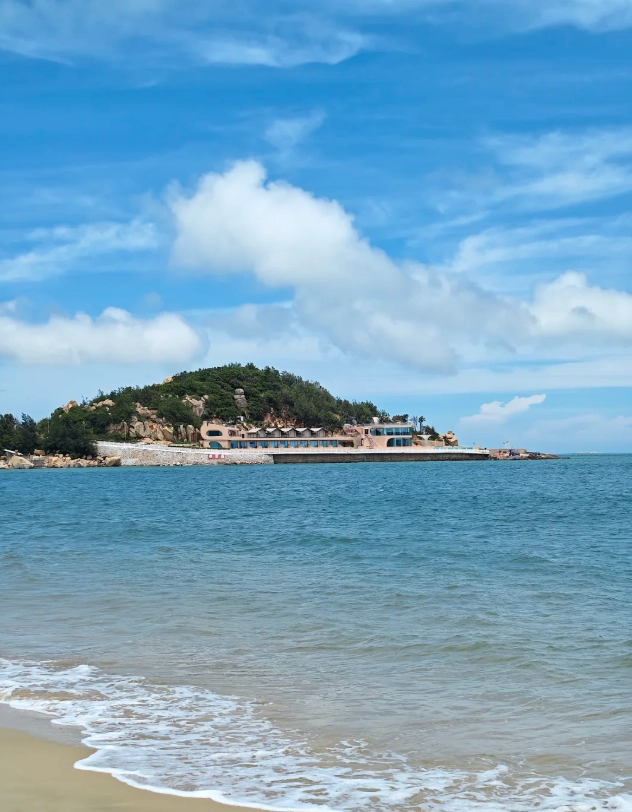
Why does the month matter so much?
Pingtan is a windy island in the Taiwan Strait. Summer brings typhoons, winter brings bone-chilling gusts, and the blue tears are picky about water temperature. Plus, Chinese domestic tourism floods the island during national holidays. You don't want to be stuck in a 2-hour traffic jam on a two-lane road, trust me.
Here's a quick rule of thumb you won't find on travel posters: avoid July, August, and the first week of October. July and August are hot (35°C+), humid, and typhoon-prone. The first week of October is Golden Week – the island is packed, hotels triple prices, and you'll queue 40 minutes for a taxi. Not fun.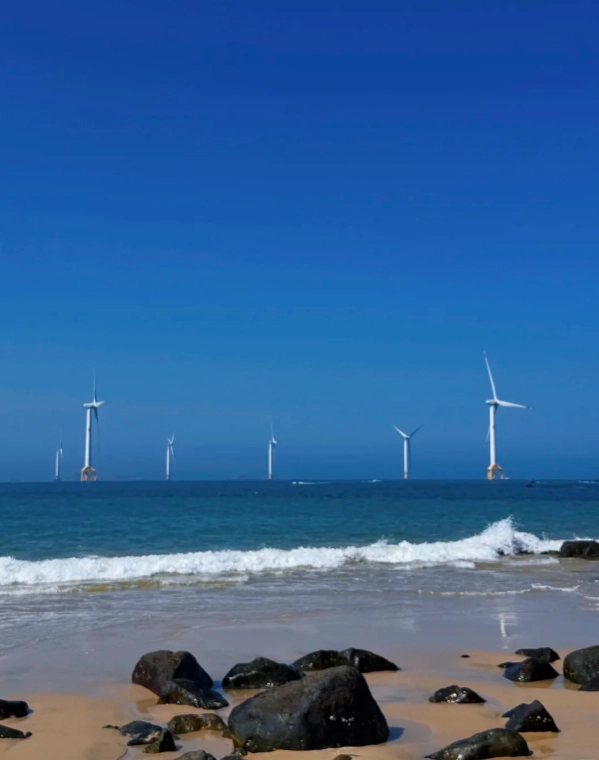
Month-by-month breakdown
March – early April: Shoulder season, but no blue tears
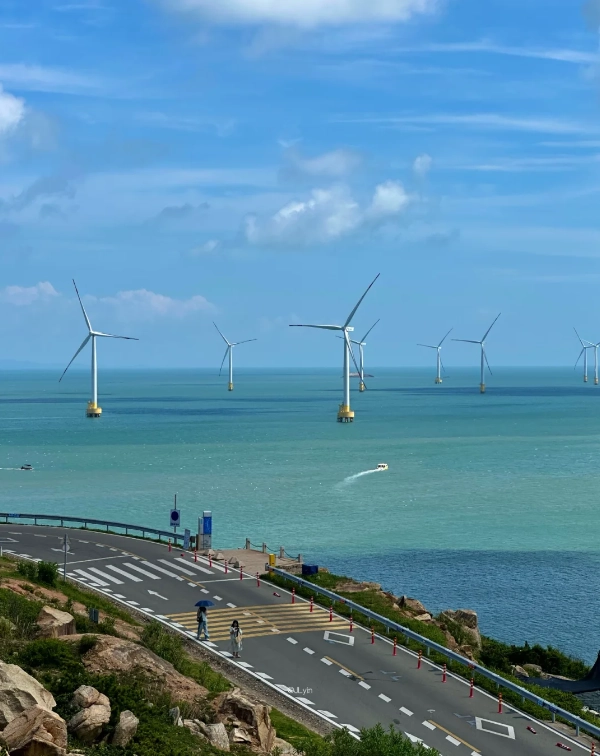
Temperature: 12-18°C. Still chilly and very windy. The famous wind turbines spin like crazy. You can visit the stone villages and the beaches, but the sea is too cold for the plankton. Hotels are cheap (around ¥200-300 per night). Bring a windproof jacket.
Mid-April – June: The sweet spot
This is it. Temperatures range from 18-28°C. The blue tears appear from mid-April to June, peaking in May. The sky is often clear, and the wind is lighter. You can cycle along the coastal road without sweating buckets. Warning: The last week of April and all of May see heavy domestic tourism on weekends. Book hotels at least two weeks ahead on Trip.com or Klook. Bring a reusable water bottle – the island has filtered water stations near most attractions.
July – August: Hot, crowded, typhoons
Don't do it unless you have no choice. Temperatures hit 32-38°C. The sea is warm but the blue tears are gone. Sudden typhoons can shut down ferry services to the outer islands for days. The beaches are packed with local tourists. I've seen families set up tents on every inch of sand. Plus, the sun is brutal – you'll get burned in 20 minutes. If you must come, stay in a hotel with a pool and explore the indoor Pingtan Museum (free entry, but you need to reserve on WeChat – ask your hotel staff to help).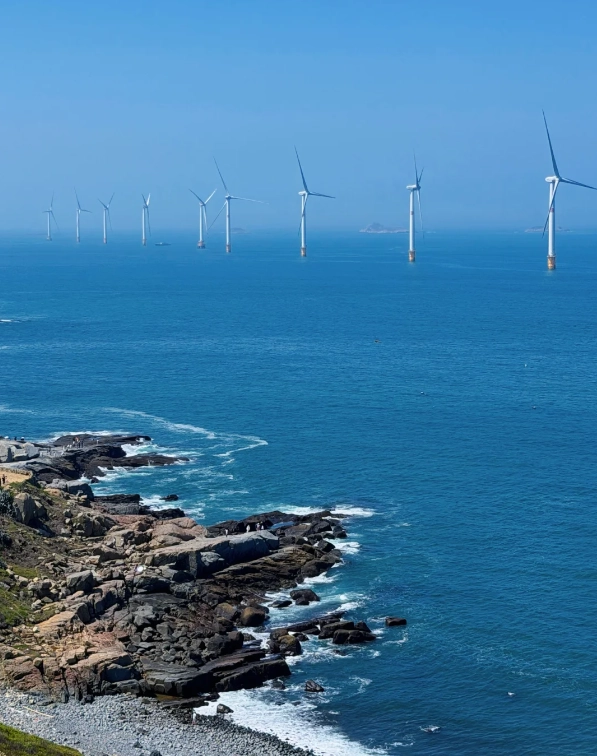
September – November: Second best season
After the typhoon peak (July-September), October and November are lovely. Temperatures drop to 20-28°C. The sky is often blue, and the sea is still swimmable. No blue tears, though. This is perfect for hiking, photography, and enjoying seafood without huge crowds. Mid-October to November is especially good for wind-dependent activities like kite surfing at Longfengtou Beach. But avoid the first week of October (Golden Week) at all costs.
December – February: Low season, cold and windy
Average temperatures: 8-15°C. Blasting wind makes it feel like 5°C. Most beachside restaurants close. The island becomes very quiet. Some temples and museums remain open. If you're on a budget and don't mind wind, you can get hotel rooms for ¥150-200. But the famous scenic spots like the 68-Mile Coastal Road are miserable in a gale. I only recommend for writers or photographers seeking solitude – but bring thermal underwear.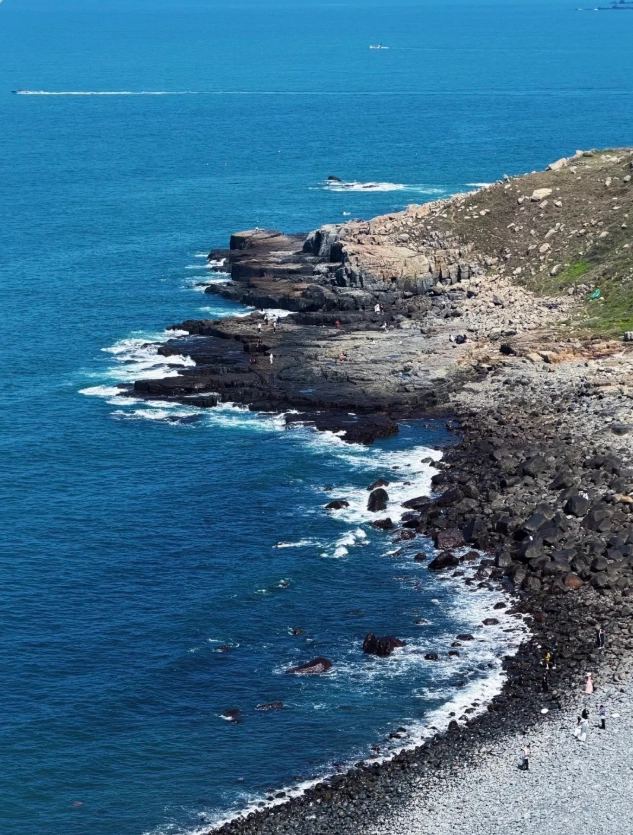
Best months for blue tears
The blue tears (blue sand) are caused by dinoflagellates that glow when disturbed. They require water temperatures between 18-25°C, calm seas, and minimal moonlight. The peak probability window is late April to late May. I've personally seen them on three consecutive nights in late May near Tan'nan Bay (地址: 坛南湾, 平潭县).
To maximize your chance:
- Check the WeChat mini-program "平潭蓝眼泪预报" (ask a Chinese friend to help).
- Avoid full moon nights – the brightness drowns out the glow.
- Go to a beach with minimal artificial light: Tan'nan Bay or the north coast near Beigang Village.
- Arrive around 9 PM and wait. They often appear suddenly after high tide.
Weather and crowd table
| Month | Avg Temp (°C) | Rain (mm) | Blue Tears? | Crowd Level | Hotel Price (double room) |
|---|---|---|---|---|---|
| Jan | 10 | 50 | No | Low | ¥150-250 |
| Feb | 10 | 65 | No | Low | ¥150-250 |
| Mar | 13 | 85 | Rare | Low | ¥200-300 |
| Apr | 18 | 90 | Possible (late) | Moderate | ¥250-400 |
| May | 23 | 120 | Peak | High (weekends) | ¥350-600 |
| Jun | 26 | 150 | Good (early) | High | ¥350-550 |
| Jul | 29 | 110 | No | Very High | ¥400-800 |
| Aug | 29 | 130 | No | Very High | ¥400-800 |
| Sep | 27 | 80 | No | Moderate | ¥300-500 |
| Oct | 22 | 40 | No | High (week 1) | ¥300-600 |
| Nov | 18 | 35 | No | Low | ¥200-350 |
| Dec | 12 | 30 | No | Low | ¥150-250 |
Practical tips for foreigners
Pingtan is less touristy than Xiamen or Shanghai. That means fewer English speakers and more reliance on WeChat. Here's what you need to know:
Payment: Almost everywhere accepts Alipay or WeChat Pay. I've had guests try to use Visa cards – only big hotels and the occasional restaurant accept them. Bring a backup ¥500 cash for small stalls. To top up your Alipay with an international card, use the Tour Pass feature inside the app (works for 90 days).
Navigation: Google Maps is useless in China. Download Apple Maps (works surprisingly well) or Baidu Maps (Chinese only). I always give my guests the Chinese address of every spot. For example, to get to Tan'nan Bay, show the taxi driver: 平潭坛南湾景区. Or better, use Didi (like Uber) – the app has an English version and you can pay with Alipay.
Getting there: Take a high-speed train to Fuzhou South Station (福州南站), then transfer to a bus or Didi to Pingtan (about 1.5 hours). The new Pingtan high-speed station opened in 2020 – you can also take a direct train from Fuzhou to Pingtan (35 minutes). Book tickets on 12306.cn (English version available) or Trip.com.
Language: Most people speak only Mandarin or the local Pingtan dialect. Install a translation app like Baidu Translate or use Apple Translate (offline mode). Hand gestures go a long way.
VPN: You'll need a reliable VPN to access Google, Instagram, or WhatsApp. Set it up before you arrive – many VPNs are blocked in China. I use ExpressVPN (pre-installed). Without it, you'll be stuck on Chinese internet.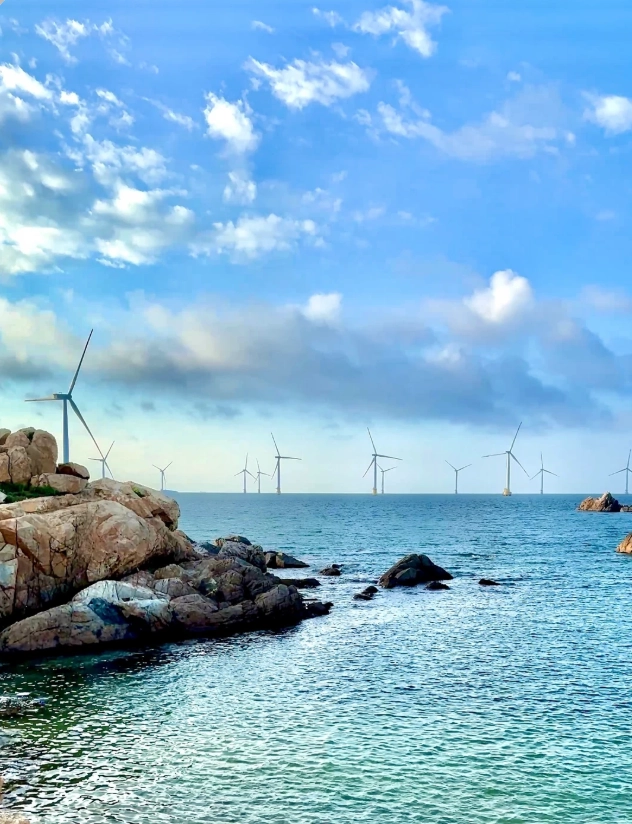




No comments yet.