 Yan Zhou
In a rush? Jump to:
Let me be blunt—most people visit Yantai Mountain at the wrong time. They either get stuck in a sea of selfie sticks or show up when the sea fog has turned the view into a white wall. I’ve brought dozens of groups here over the years, and after enough trial and error, I can tell you exactly when to go.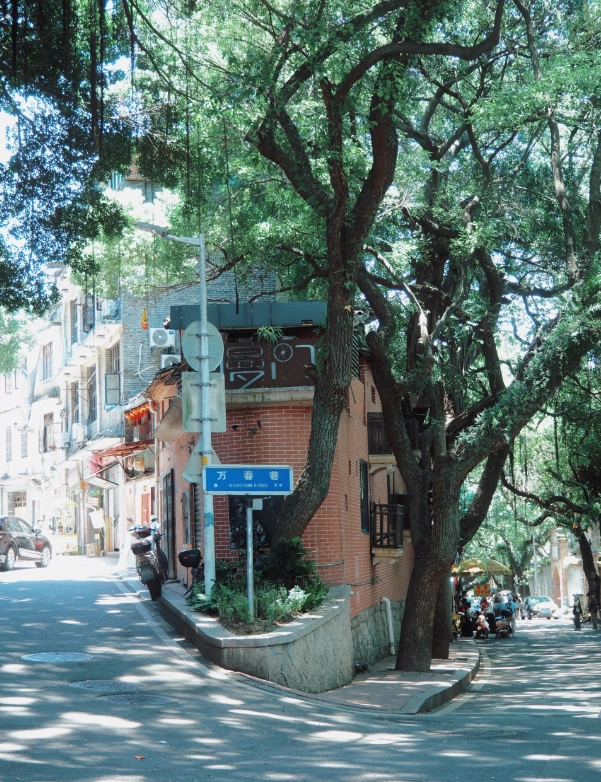
The Short Answer
Best Time to Visit Yantai Mountain is from mid-April to early June (spring) and September to late October (autumn). During these windows, the weather is mild, humidity is low, and the sky is clear enough to see the islands across the sea. Avoid July and August—it’s scorching hot, plus the domestic summer vacation means queues that snake all the way down the hill.
Season-by-Season Breakdown
Spring (April–June) — The Sweet Spot
This is when lilacs bloom around the old consulate buildings, and the air smells like flowers. Temperatures hover around 15–25°C (59–77°F). The breeze from the sea keeps it pleasant even at midday. I always tell my clients to come in early May if they can—the Labor Day holiday (May 1–3) does bring crowds, but if you avoid the exact holiday dates, you’ll find the mountain nearly empty.
Summer (July–August) — Too Hot, Too Packed
I honestly try to steer people away during these two months. The temperature hits 32°C (90°F) with humidity that makes you sticky within minutes. Worse, the overlapping summer breaks of Chinese schools and universities mean the mountain is jam-packed. The cable car line can take over an hour. If you must come in summer, go on a weekday and arrive by 8:00 AM—the gates open at 8:30, but being early helps.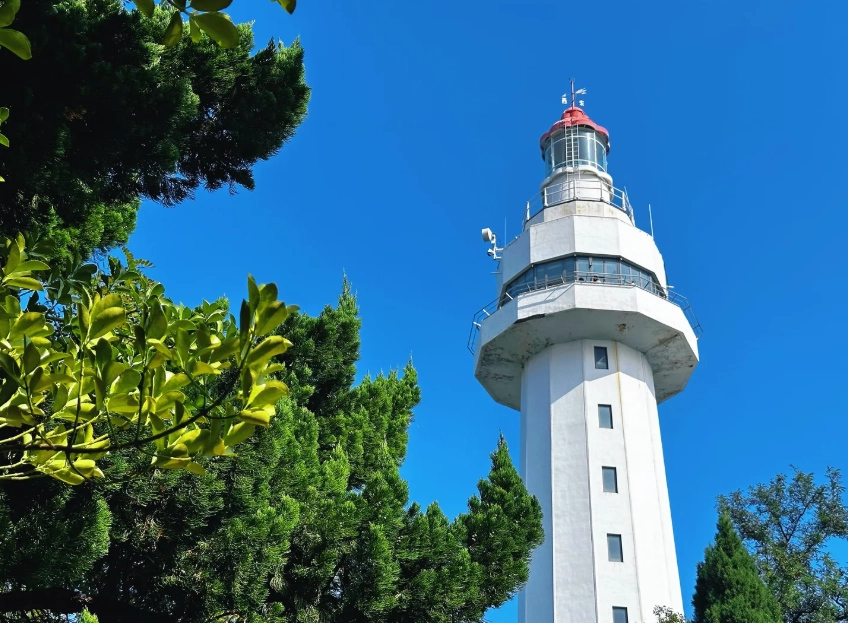
Autumn (September–October) — Runner-Up
September is still warm but the humidity drops. October brings crisp air and golden light—perfect for photography. The National Day holiday (Oct 1–7) is a nightmare though. Mid-October to late October is the golden window. I once led a group there in late October, and we had the entire lighthouse area to ourselves. Unforgettable.
Winter (November–March) — Cold but Quiet
Winter is freezing (2–8°C / 36–46°F) and often windy. The sea views can be dramatic though, especially after a snow. The mountain is almost tourist-free, so if you don’t mind bundling up, you can have a serene experience. Many of the indoor exhibitions (like the former U.S. Consulate museum) are still open. Just note: the ferry to the nearby Zhifu Island might be suspended in bad weather.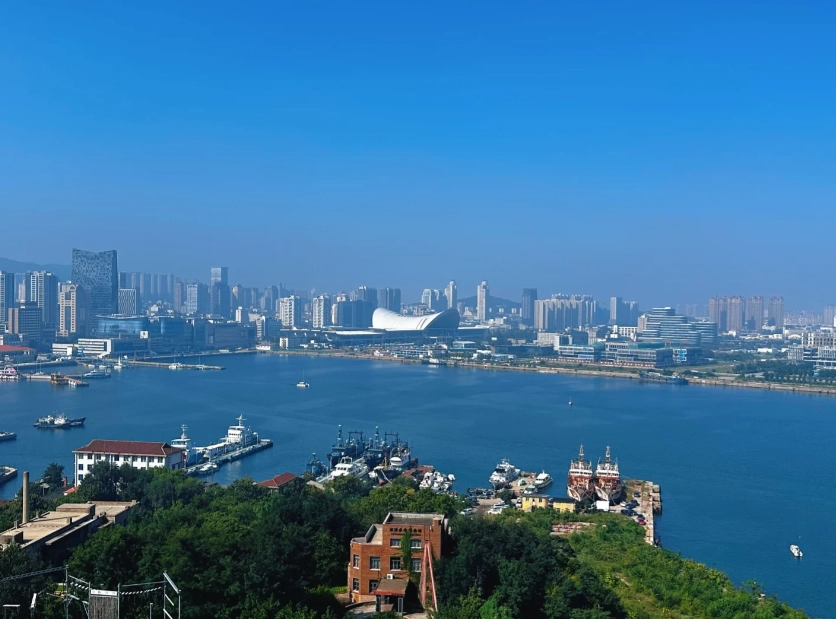
Best Time of Day & Entry Trick
Even in the best season, the wrong hour can ruin the vibe. Here is the golden rule: arrive at the west entrance (western gate) at 3:30 PM. Why? The east entrance (main gate) gets hammered by tour buses from 9 AM to 1 PM. The west entrance, on the other hand, is a hidden gem used by locals. You walk uphill through a quiet residential lane and emerge near the lighthouse in less than 10 minutes—no queuing.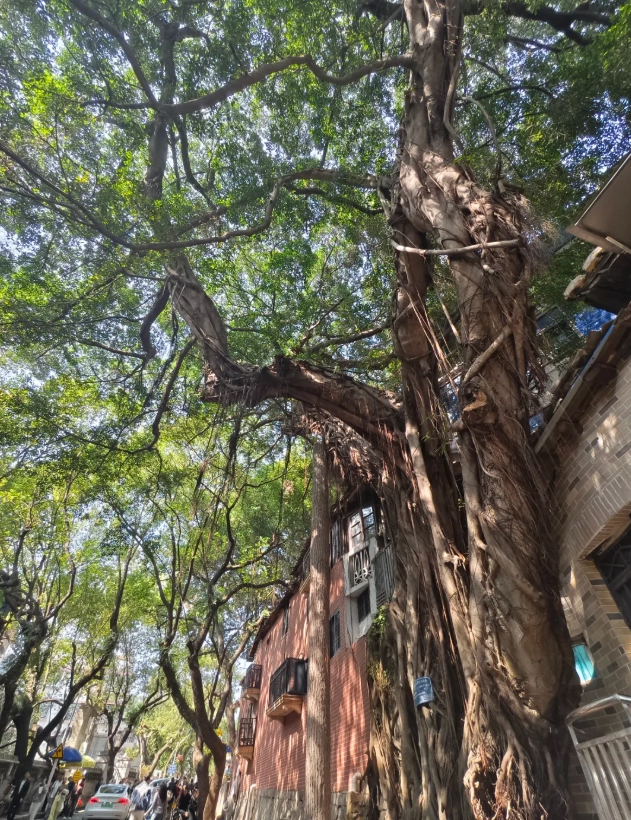
Plus, from 3:30 PM onward, the light softens, and you can watch the sunset from the lighthouse at around 5:00 PM. The mountain officially closes at 6:00 PM (winter 5:00 PM), so you get a solid 2 hours of comfortable exploration.
One more thing—avoid public holidays like the plague. Not just Chinese holidays; even the local school exams week (around mid-June and mid-January) can make the place feel crowded. I check the Chinese school calendar every year to plan my tours.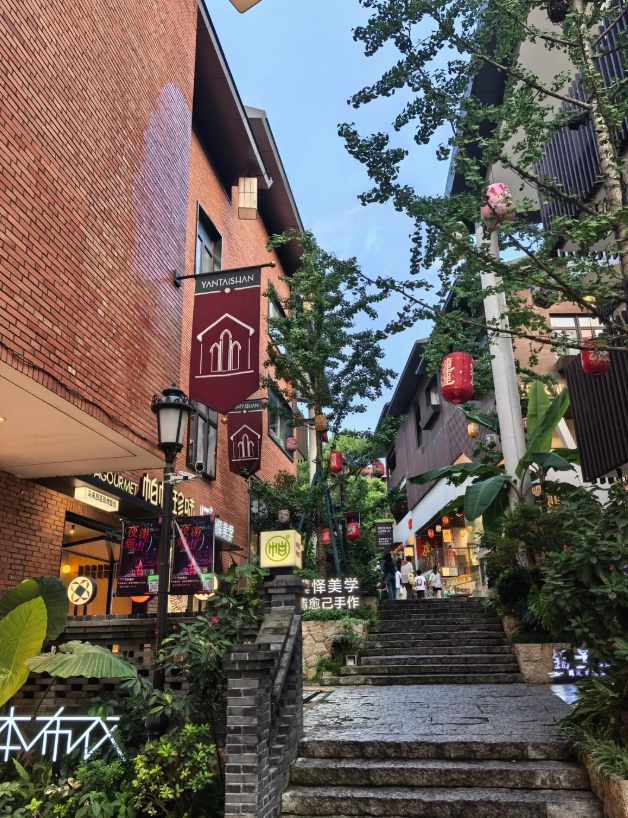
Weather: What to Expect
| Month | Avg Temp (°C) | Rainfall (mm) | Crowd Level | Recommendation |
|---|---|---|---|---|
| April | 12–18 | 40 | Moderate | Good, but bring a light jacket |
| May | 16–23 | 50 | High (holiday) | Best outside May 1–3 |
| June | 20–27 | 70 | Moderate | Very pleasant |
| July | 24–31 | 140 | Extreme | Avoid |
| August | 25–32 | 120 | Extreme | Avoid |
| September | 20–26 | 70 | Moderate | Great, except Oct 1 week |
| October | 14–20 | 40 | Moderate | Excellent (after Oct 7) |
| November | 6–12 | 30 | Low | Chilly but quiet |
Practical Tips for Foreign Travelers
Payment & Tickets
Yantai Mountain is free to enter—no ticket required. However, you need to climb the lighthouse (¥10, about $1.40) and enter the former consulate buildings (¥5 each). These can be paid with Alipay or WeChat Pay (linked to your international card). Cash is accepted but change might be tricky. Don’t bother with credit cards; very few places take them.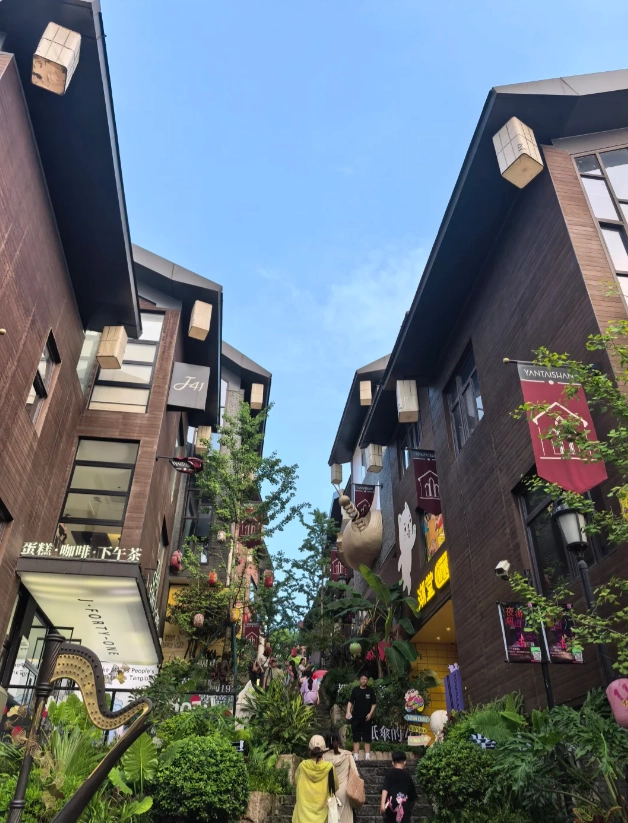
Navigation & Language
Google Maps is unreliable in China. Download Apple Maps before you go—it works surprisingly well here, especially for walking directions. Alternatively, use a taxi app like DiDi (install it and link your card). I always tell my guests to show the driver this address: 烟台山景区 (Yantai Mountain Scenic Area), and point to the west entrance: 烟台山西门.
What to Bring
Bring your passport if you plan to enter the indoor museums (they sometimes ask for ID). Also, a VPN is essential if you want to use Instagram or Facebook up there; the mountain’s public Wi-Fi is slow. I recommend using a translation app like Baidu Translate for any signs you can’t read.
Hidden Gem Nearby
After you come down from the mountain, walk 10 minutes along the coastal path to Chaoyun Street (朝阳街). It’s a restored old colonial street with cafés and boutiques. My favorite spot is a tiny coffee shop called “Laosan Coffee” (老三咖啡)—they have a rooftop with a direct view of the mountain. The flat white there costs ¥28, and the owner speaks basic English.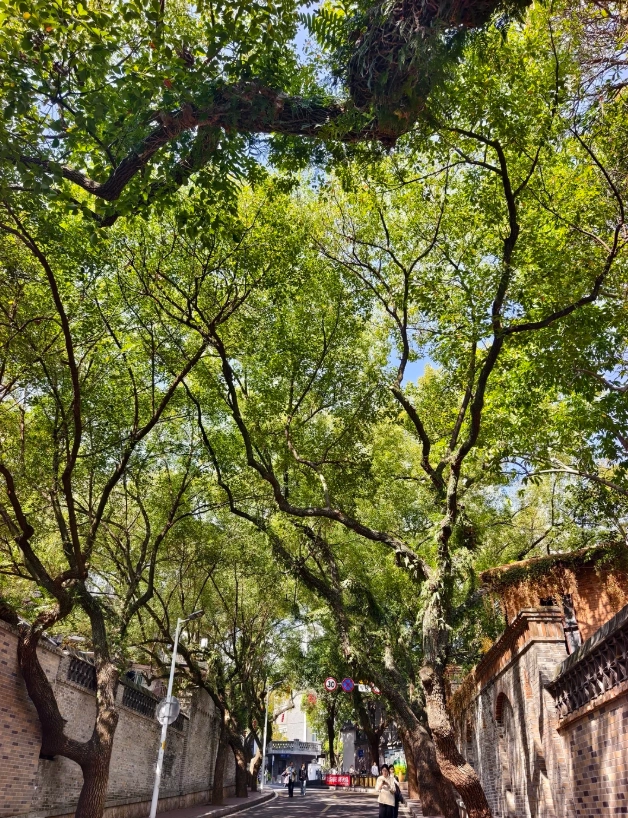
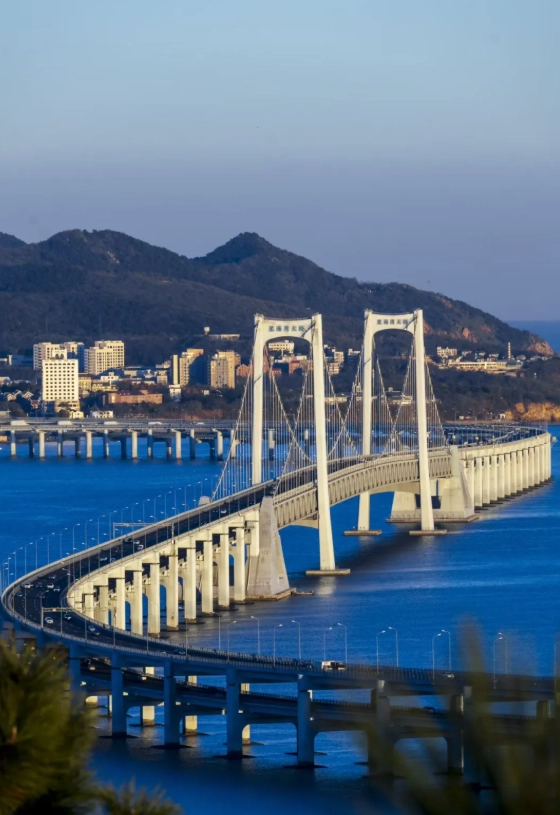
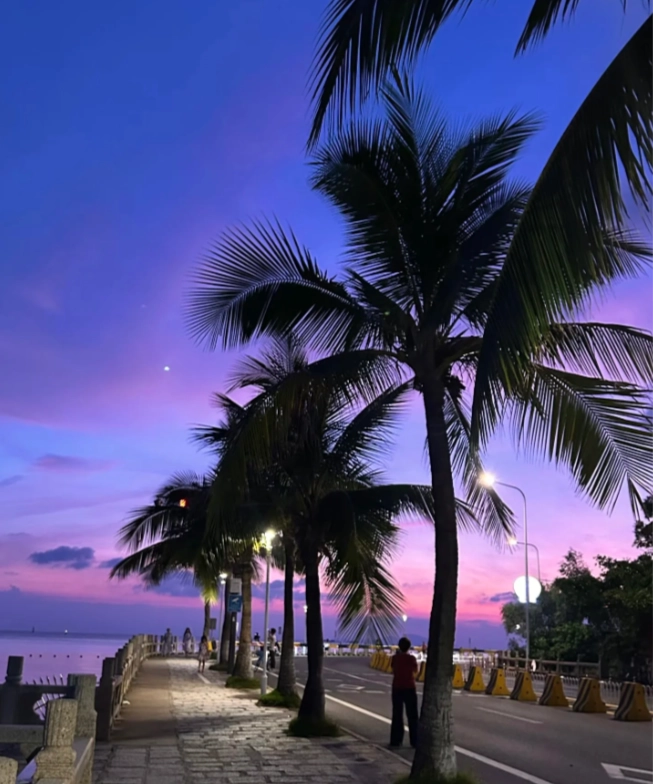
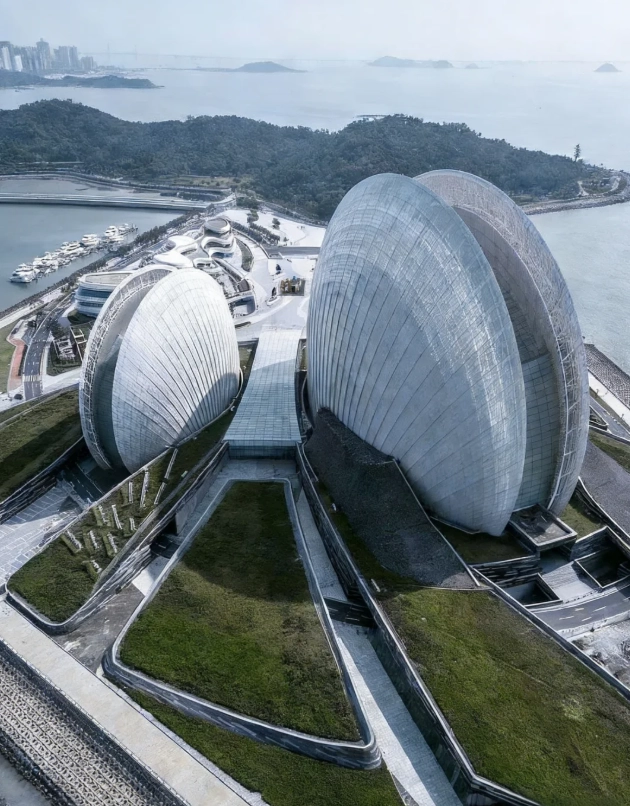
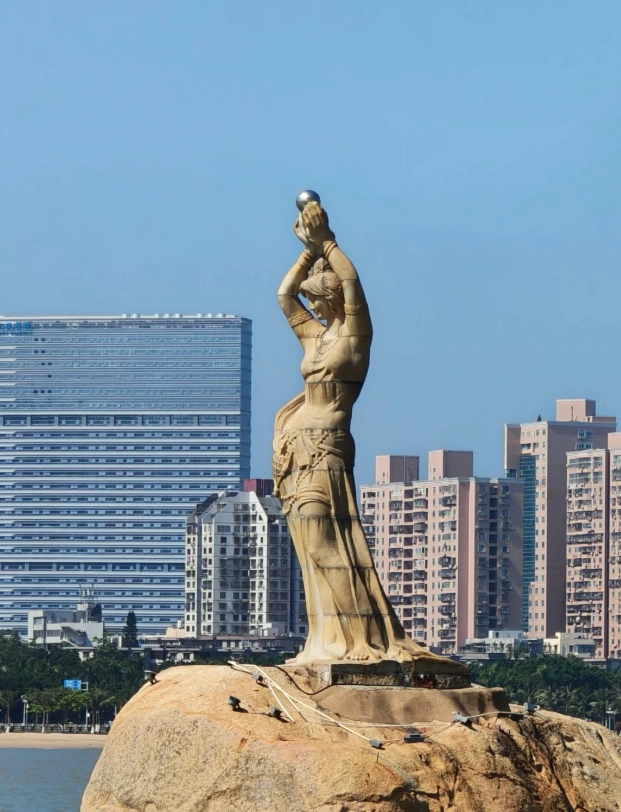
This place totally exceeded my expectations. I was worried about crowds because it was a public holiday, but I came around 3 PM and most tour groups were already leaving. The sunset from the top is magical — golden light hitting the old colonial buildings. Clean restrooms, clear signs in English, and friendly staff. One of the best urban mountain experiences I've had. Five stars!
I loved every second here! The weather cooperated perfectly — a slight breeze and clear skies. Took the coastal walking path from the Taoist temple all the way to the beacon tower, and the views of the Yellow Sea were breathtaking. Even the snack stand near the top had decent noodles. A must-do when in Yantai, but definitely check the weather forecast first.
Hands down the best morning I had in Yantai! Got there at 7:30 AM right when it opened — practically had the whole place to myself. The air was fresh, the sunrise over the sea was stunning, and I even spotted a few fishing boats. No queues, no hassle. If you want that peaceful, postcard-perfect experience, go early on a weekday. Absolutely recommend!
A solid visit overall but my timing was a bit off. I arrived around 10 AM and the fog had rolled in, hiding the sea views completely. By noon it cleared a bit and the lighthouse area was lovely. The ticket price is reasonable and the paths are well-maintained. Just wish I had come earlier or on a clearer day.
I went on a Saturday in July and it was packed — wall-to-wall people, long lines for the cable car, and the humidity made it feel like a sauna. The mountain itself is beautiful, but the crowd really killed the vibe. I wish I had checked a crowd calendar beforehand. Not a terrible experience, but definitely not worth the hassle during peak season.